
Unlock Long-Term Weight Loss: The Power of a High-Protein Diet Plan
While total daily protein intake remains the primary factor, strategic timing enhances these effects, particularly for adults over 40 who require more protein per meal to stimulate muscle maintenance.
Do protein supplements help with long-term weight control?
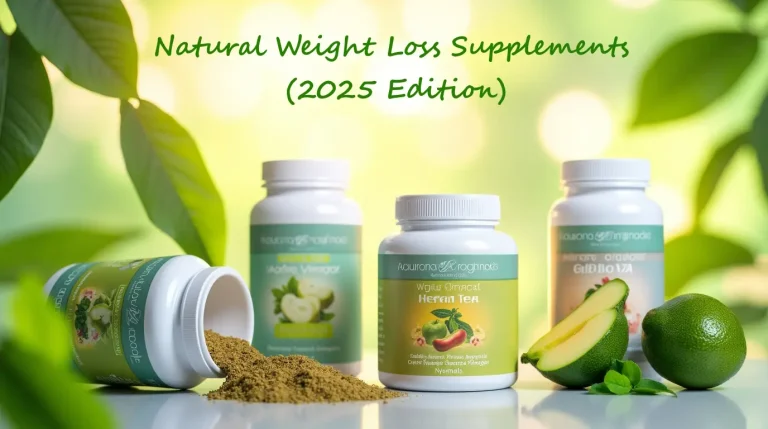
Protein supplements can serve as valuable tools within a comprehensive weight management strategy, though their role differs from whole food protein sources. A meta-analysis published in the Journal of Obesity found that individuals using protein supplements as part of a structured weight loss program maintained significantly more lean mass and lost more fat mass compared to those using carbohydrate supplements.
Several factors influence supplements’ effectiveness for sustainable weight control:
Convenience factor: Protein supplements provide precise nutrition in situations where whole food preparation is impractical, enhancing adherence to higher protein intake patterns.
Appetite regulation: Whey protein specifically has been shown to increase GLP-1 and cholecystokinin, hormones that signal fullness and reduce subsequent food intake.
Quality considerations: Not all supplements are created equal. Those with minimal additives, sweeteners, and processing agents generally support metabolic health more effectively.
Transition strategy: Supplements work best as strategic tools rather than primary protein sources, ideally comprising no more than 25% of total daily protein intake.
For sustainable results, protein supplements should complement rather than replace whole food sources, particularly since whole foods provide additional nutrients that contribute to metabolic health and weight regulation.
Conclusion: Sustainable High-Protein Eating for Lasting Results
The evidence supporting protein’s role in sustainable weight management continues strengthening, offering practical approaches for those seeking lasting results rather than temporary changes. Unlike restrictive diets that create metabolic adaptation and eventual rebound weight gain, appropriately implemented high-protein nutrition works with physiological systems rather than against them.
The key to long-term success lies in individualization and adaptation. Rather than treating protein recommendations as rigid rules, consider them guidelines to be personalized based on:
- Individual metabolic response and digestion
- Food preferences and cultural considerations
- Lifestyle demands and practical constraints
- Changing needs across different life stages