
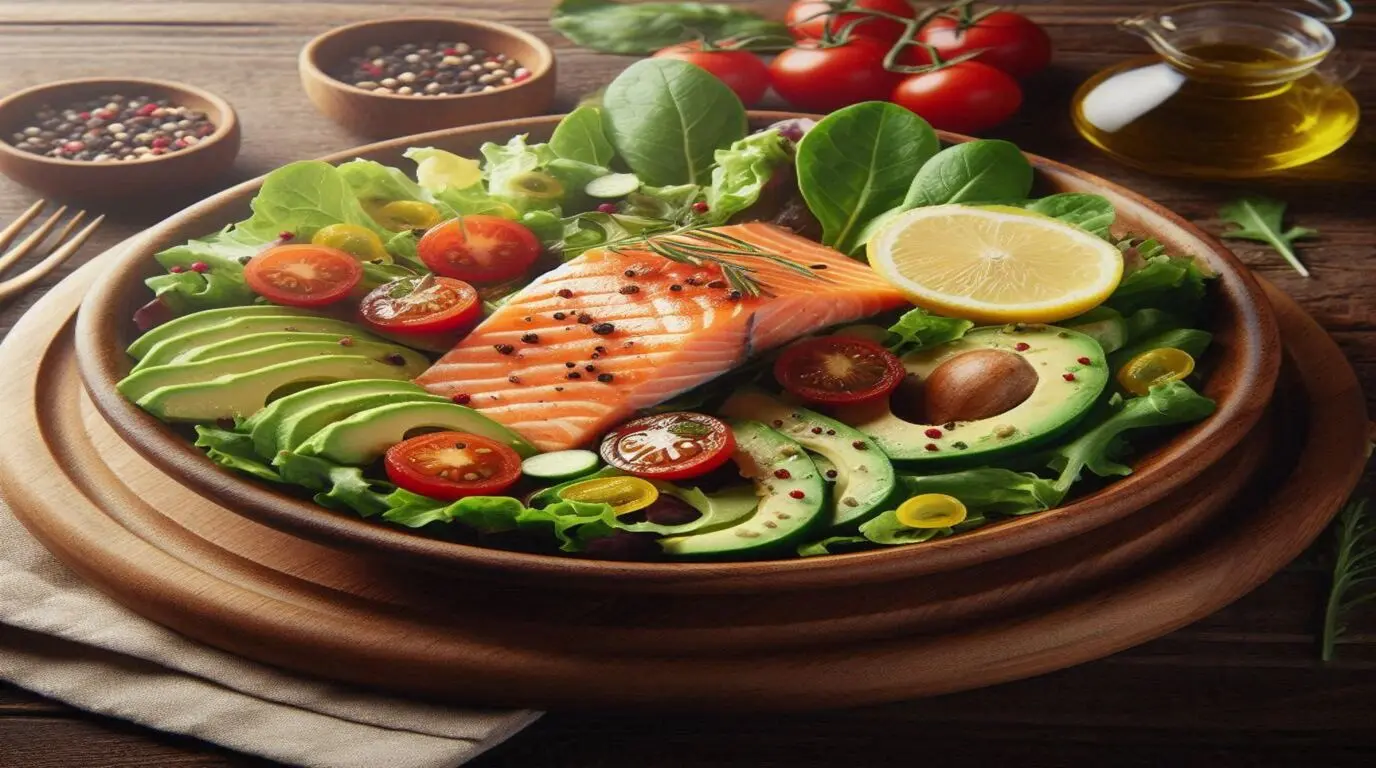
Unlock Long-Term Weight Loss: The Power of a High-Protein Diet Plan
What are the best plant-based proteins for weight loss?
Plant-based proteins offer unique advantages for weight management through their combination of protein, fiber, and phytonutrients. The most effective options for weight loss include:
Legumes: Lentils, chickpeas, and black beans deliver 15-18g of protein per cup while providing 10-15g of fiber, creating pronounced satiety with relatively modest calorie contribution.
Tempeh: This fermented soy product offers 31g of protein per cup with beneficial probiotics that support gut health, increasingly recognized as important for weight regulation.
Hemp seeds: With 10g of protein per 3 tablespoons, these seeds provide complete protein alongside omega-3 fatty acids and fiber, making them ideal additions to meals rather than standalone protein sources.
Edamame: Offering 17g of protein per cup, these immature soybeans contain compounds that may support thyroid function and metabolism.
Quinoa: Beyond its 8g of protein per cup (cooked), quinoa’s complex carbohydrates support workout recovery and provide sustained energy without blood sugar spikes.
Plant proteins generally require larger portion sizes than animal proteins to deliver equivalent amino acid content. Combining complementary plant proteins (like grains with legumes) ensures complete amino acid profiles while supporting weight management goals.
Is timing important for protein intake?
Protein timing significantly impacts both weight loss effectiveness and muscle preservation. Research published in the Journal of the International Society of Sports Nutrition indicates that distributing protein intake evenly throughout the day optimizes muscle protein synthesis compared to consuming most protein at a single meal.
Key timing considerations include:
Morning consumption: Starting the day with 25-30g protein helps regulate appetite hormones throughout the day and has been associated with lower daily caloric intake in weight loss studies.
Post-exercise window: Consuming 20-40g protein within 2 hours after resistance training enhances muscle recovery and fat loss, particularly important during weight reduction when muscle preservation is prioritized.
Even distribution: Aiming for 25-30g protein at each main meal optimizes muscle protein synthesis throughout the day rather than surpassing the “muscle full” effect with excessive protein in a single meal.
Pre-sleep protein: A moderate protein serving (15-20g) before bedtime may support overnight recovery and next-day metabolic rate.