
How to Create a Weight Loss Diet Plan for Kids – Expert-Approved Tips
Modeling Healthy Habits
Healthy living isn’t just for one family member. Everyone can be in on it. This means doing physical activities together and choosing healthy food.
Creating a Supportive Environment
At home, make sure healthy foods are easy to grab. Also, keep the not-so-healthy stuff out of the way. This way, healthy choices become easy choices.
Addressing Emotional Well-being
Don’t forget about your child’s emotions. Kids with overweight or obese might feel bad about themselves. They could get very sad, have eating issues, or struggle with self-esteem.
Age-Specific Strategies
Helping kids keep a healthy weight changes by age. For ages 2-5, it’s about steering them through physical growth. This means focusing on healthy activities and foods that fuel growth.
Early Childhood (2-5 years)
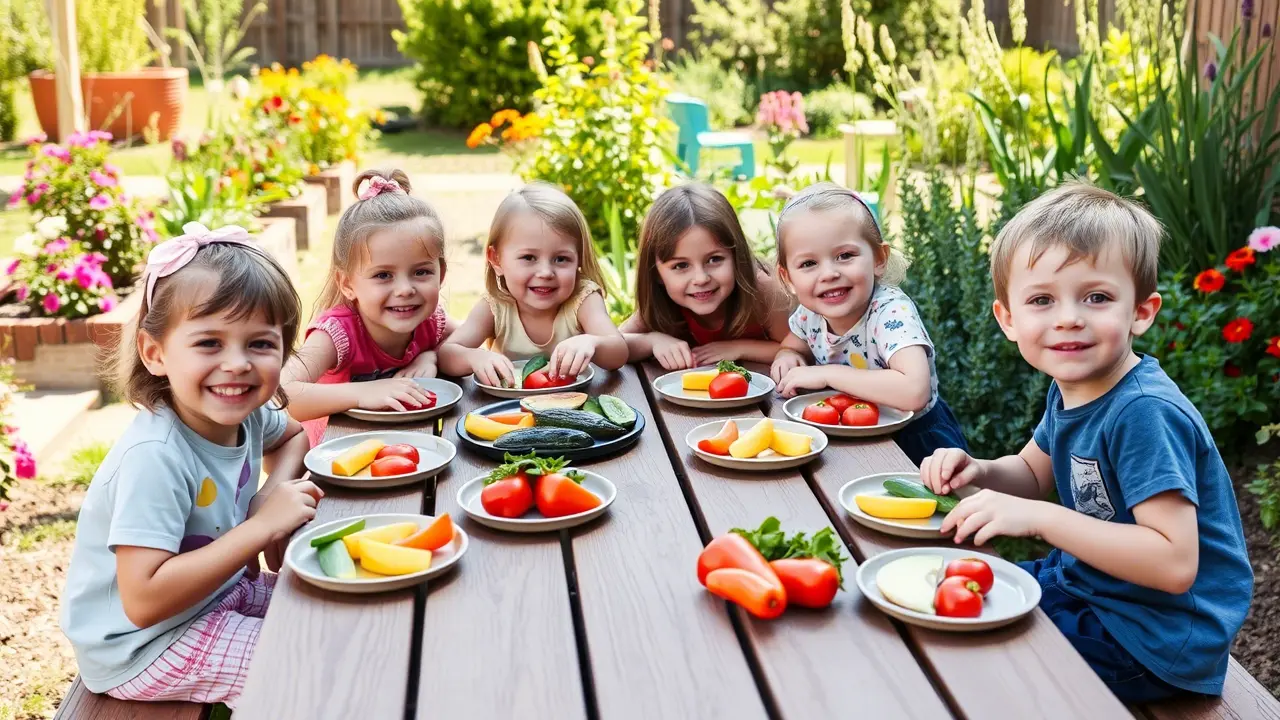
For kiddos aged 2-5, the deal is age-appropriate portions and a balanced diet. Parents should mix up their meals with fruits, veggies, and other good stuff. Also, limit TV time around meals. Giving them healthy food often can make them more likely to chow down on the good stuff.
Middle Childhood (6-11 years)
As children transition from ages 6 to 11, they enter a vital stage where they start to understand the importance of taking care of their health. This is the perfect time to introduce them to the concept of being part of the “health squad,” where they can develop a foundation for making healthier choices. Parents play a key role by offering nutritious snacks and meals that fuel their growing bodies and minds, while also planning engaging family activities that promote physical fitness, teamwork, and fun.
Encouraging outdoor play, sports, and other active hobbies helps children develop a positive relationship with movement, while family outings can foster a sense of routine and togetherness. By creating a balanced and enjoyable approach to health during these formative years, parents set the stage for lifelong habits that support both physical and emotional well-being. This nurturing environment helps kids build confidence in their ability to make healthy choices, setting them up for a bright, active future.