
The Ultimate Plant Based Meal Plan for Weight Loss in 2025
Plant Based Meal Plan for Weight Loss: Lose Weight Without Giving Up Flavor
The shift toward plant-forward eating has gained remarkable momentum across America, with millions discovering that reducing meat consumption while emphasizing vegetables, fruits, whole grains, and legumes can transform both health and waistlines. This approach to eating isn’t about deprivation or following rigid rules. Instead, it centers on abundance, filling plates with colorful, nutrient-dense foods that naturally support weight management while delivering sustained energy throughout the day.
Research consistently shows that people who emphasize plant foods in their diets tend to maintain healthier body weights and carry less visceral fat compared to those following more meat-centric eating patterns. The secret lies partly in fiber, a nutrient that most Americans consume in amounts far below recommended levels. Plant-based eating naturally increases fiber intake, which promotes feelings of fullness, supports digestive health, and helps regulate blood sugar levels that influence hunger and cravings.
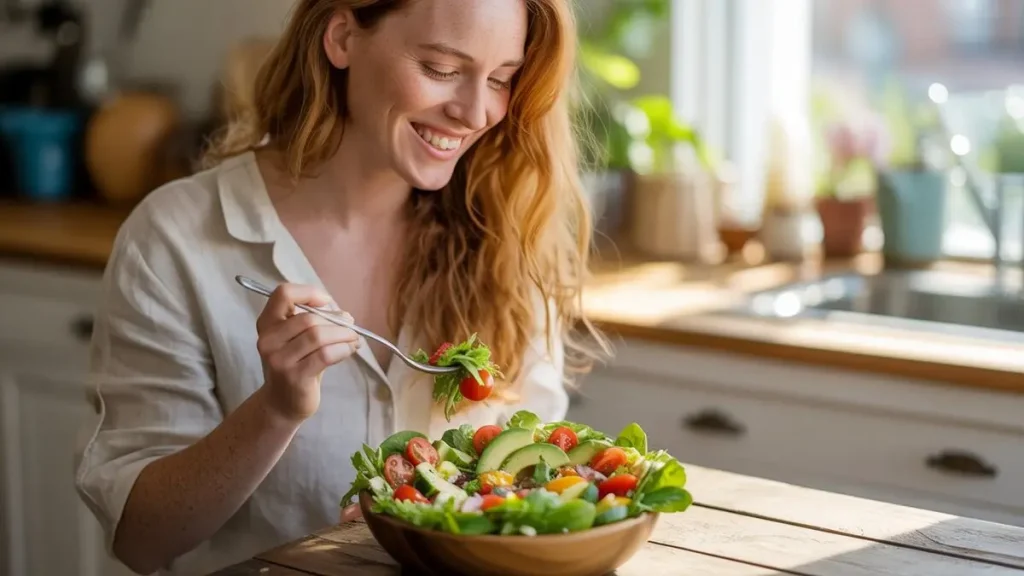
Building a practical plant-based meal plan doesn’t require culinary expertise or expensive specialty ingredients. Simple, affordable staples like beans, lentils, oats, and seasonal vegetables form the foundation of satisfying meals that support weight loss without triggering the deprivation that often derails dieting efforts. The following guide provides a comprehensive framework for incorporating more plant foods into daily eating patterns while working toward weight management goals.
Understanding Plant-Based Eating for Weight Management
The term “plant-based” means different things to different people, which can create confusion when starting this eating style. For some, it signifies a completely vegan approach, excluding all animal products. For others, it describes a dietary pattern that emphasizes plants while including small amounts of dairy, eggs, or even occasional fish or poultry. The flexible interpretation allows individuals to find an approach that aligns with their values, preferences, and nutritional needs.
This guide focuses on a vegetarian interpretation that includes eggs and dairy while centering meals around vegetables, fruits, whole grains, legumes, nuts, and seeds. This approach provides flexibility for those transitioning from a standard American diet while still delivering the benefits associated with increased plant food consumption. The inclusion of eggs and dairy can make meeting protein needs easier for some people, particularly those new to plant-based eating.
The weight loss benefits of plant-based eating stem from multiple factors working synergistically. High fiber content increases satiety, meaning people naturally feel fuller on fewer calories. The nutrient density of plant foods provides essential vitamins, minerals, and phytonutrients while keeping calorie density relatively low. Additionally, preparing plant-based meals at home typically involves less processed food and added fats compared to restaurant meals or convenience foods, creating conditions conducive to sustainable weight loss.
Essential Nutrition Principles for Plant-Based Weight Loss
Successful weight loss on a plant-based diet requires more than simply removing meat from meals. Understanding key nutritional principles helps ensure the eating plan supports both weight management goals and overall health. Protein intake deserves particular attention since animal foods provide concentrated protein sources that plant foods don’t always match gram-for-gram.
Fortunately, plant foods offer plenty of protein when consumed in adequate amounts and variety. Legumes, including lentils, chickpeas, black beans, and split peas, provide substantial protein alongside fiber and complex carbohydrates. Soy foods like tofu, tempeh, and edamame offer complete proteins containing all essential amino acids. Nuts, seeds, whole grains, and even vegetables contribute smaller amounts that add up throughout the day. Combining different plant proteins ensures adequate intake of all amino acids the body needs.
Fiber plays a starring role in plant-based weight loss, yet most Americans consume only about half the recommended 25-38 grams daily. Plant foods naturally provide both soluble and insoluble fiber, each offering unique benefits. Soluble fiber dissolves in water and helps regulate blood sugar and cholesterol levels, while insoluble fiber promotes digestive regularity and increases stool bulk. The combination of both types creates lasting fullness that helps prevent overeating and reduces between-meal snacking.
Caloric needs vary based on factors including age, sex, activity level, and weight loss goals. Many people find success with intake levels around 1,500 calories daily, though some may need adjustments up to 2,000 calories or down to 1,200 calories, depending on individual circumstances. Rather than obsessively counting calories, focusing on portion awareness and hunger cues often produces better long-term results. The high fiber and water content of plant foods naturally promote appropriate portions without requiring meticulous tracking.
Building Your Plant-Based Breakfast Foundation
Starting the day with a satisfying plant-based breakfast sets a positive tone and provides sustained energy until lunch. The best breakfast options combine complex carbohydrates, protein, and healthy fats to prevent mid-morning energy crashes and excessive hunger. Fortunately, plant-based breakfast options offer incredible variety beyond the stereotypical bowl of plain oatmeal.
Overnight oats have become a breakfast staple for good reason. Combining rolled oats with liquid (dairy milk, plant milk, or even water) and letting them soak overnight creates a creamy, pudding-like texture requiring zero morning cooking time. The basic formula uses a 1:1 ratio of oats to liquid with a pinch of salt. From there, flavor combinations become endless. Cinnamon and apple, chocolate and peanut butter, or berry and almond variations all work beautifully. Adding chia seeds or ground flaxseed boosts omega-3 content and fiber.
Smoothie bowls offer another nutrient-packed option that feels more substantial than regular smoothies. The key involves using less liquid to create a thicker consistency that requires eating with a spoon rather than drinking. Frozen fruits provide body and natural sweetness, while spinach or kale sneaks in vegetables without noticeably affecting flavor. Toppings like granola, sliced fruit, coconut flakes, and nut butter add textural interest and additional nutrients. A well-constructed smoothie bowl can easily provide 15-20 grams of protein when built around protein-rich bases like Greek yogurt or silken tofu.
Tofu scrambles deserve consideration as a savory breakfast option, particularly for those who miss traditional scrambled eggs. Crumbled firm tofu seasoned with turmeric, nutritional yeast, garlic powder, and black pepper creates a surprisingly egg-like appearance and satisfying texture. Adding sautéed vegetables like bell peppers, onions, mushrooms, and spinach increases volume and nutrition without many additional calories. Serving alongside whole grain toast and avocado creates a balanced breakfast with staying power.
Creating Satisfying Plant-Based Lunches
Midday meals need to provide enough substance to prevent afternoon energy slumps while supporting weight loss goals. The most successful plant-based lunches combine multiple food groups to deliver a balanced macronutrient profile. Building meals around a foundation of non-starchy vegetables ensures volume and fiber while keeping calories reasonable. Adding protein-rich legumes or soy foods, whole grains, and small amounts of healthy fats creates meals that satisfy for hours.
Salad bowls have evolved far beyond basic lettuce and tomato combinations. The modern approach treats salads as complete meals built on substantial bases like mixed greens, arugula, or shredded cabbage. Roasted vegetables add warmth and depth of flavor during colder months. Chickpeas, white beans, or cubed tofu provide protein while quinoa, farro, or bulgur contributes whole grain goodness. Nuts or seeds add satisfying crunch along with healthy fats. Homemade vinaigrettes made from olive oil, vinegar or citrus juice, and seasonings provide flavor without the sugar and preservatives found in many commercial dressings.
Wraps and sandwiches offer portable convenience for busy days. Whole-grain tortillas, pita bread, or hearty whole wheat bread form the base. Hummus or mashed avocado provides a creamy spread loaded with nutrition. Piling on raw vegetables like cucumber, tomatoes, shredded carrots, and leafy greens adds crunch and vitamins. Including a protein source such as falafel, white bean spread, or marinated tempeh makes these handheld meals substantial enough to power through afternoon activities. Wrapping everything tightly in foil or parchment paper makes them mess-free for eating on the go.
Leftover grain bowls represent another lunch strategy that works beautifully for meal prep. Cooking a large batch of brown rice, quinoa, or farro at the beginning of the week provides a base for multiple lunches. Combining the grain with different vegetable and protein combinations prevents monotony. One day might feature Mediterranean flavors with chickpeas, cucumbers, tomatoes, and tahini dressing. The next could showcase Mexican-inspired ingredients like black beans, corn, peppers, and salsa. This approach minimizes daily cooking while maximizing variety.
Preparing Flavorful Plant-Based Dinners
Evening meals often represent the day’s main opportunity for sitting down to a thoughtfully prepared plate. Plant-based dinners shine when they showcase vegetables as the stars rather than sad side dishes. Building meals around legumes and vegetables rather than making them meat substitutes helps shift perspective toward what the diet includes rather than what it excludes.
Lentil and bean-based dishes deliver impressive protein and fiber while remaining remarkably budget-friendly. A hearty vegan black bean chili loaded with peppers, tomatoes, and spices satisfies even the most skeptical meat-eaters. Lentil burgers formed with cooked lentils, oats, and seasonings create satisfying patties perfect for serving on buns with all the traditional fixings. Chickpea tacos seasoned with cumin, chili powder, and lime juice offer a quick weeknight option that pleases the whole family. These legume-centric meals often taste even better as leftovers, making them ideal for batch cooking.
Vegetable stir-fries provide another versatile dinner option that comes together quickly using whatever vegetables need using up. The key involves cutting everything into similarly sized pieces to ensure even cooking. Starting with aromatics like garlic and ginger in a hot wok or large skillet creates a flavorful base. Adding harder vegetables like broccoli, carrots, and bell peppers first gives them time to soften before throwing in quicker-cooking options like snow peas, mushrooms, or bok choy. A simple sauce made from soy sauce, rice vinegar, and a touch of maple syrup or agave ties everything together. Serving over brown rice or soba noodles creates a complete meal.
Soups and stews offer comfort and convenience, particularly when made in large batches for multiple meals. Vegetable-based soups like minestrone, lentil, or split pea provide warmth and nourishment while keeping calories in check. Creamy soups made by blending cooked vegetables with vegetable broth create luxurious textures without cream. Butternut squash soup, roasted red pepper soup, and cauliflower soup all benefit from this technique. Making soup on weekends provides ready-made dinners that simply need reheating on busy weeknights.
Smart Snacking Strategies for Weight Loss Success
Snacks often derail weight loss efforts when they consist of processed foods high in calories but low in nutrients. Plant-based snacking takes a different approach, emphasizing whole foods that provide genuine nutrition while helping manage hunger between meals. The best snacks combine fiber with protein or healthy fats to provide sustained satisfaction rather than quick sugar spikes followed by crashes.
Fresh fruits and vegetables represent the most obvious plant-based snack options, yet many people overlook their convenience. Apple slices paired with almond butter provide a satisfying combination of natural sweetness, crunch, and richness. Carrot and celery sticks dipped in hummus offer low-calorie volume that keeps hands and mouth busy. Fresh berries provide antioxidants and fiber in a naturally sweet package. Bell pepper strips with guacamole deliver vitamin C along with healthy fats. The key involves having these options washed, cut, and ready to eat, so grabbing them becomes as easy as reaching for processed snacks.
Homemade energy balls and bars offer grab-and-go convenience without the added sugars and preservatives found in commercial versions. A basic formula combines dates for natural sweetness and binding power, oats for fiber and texture, nut butter for protein and healthy fats, and mix-ins like cocoa powder, coconut, or dried fruit for flavor. Rolling the mixture into balls or pressing it into a pan and cutting it into bars creates portable snacks perfect for busy days. These homemade treats typically contain a fraction of the sugar found in store-bought energy bars while providing more genuine nutrition.
Nuts and seeds deliver concentrated nutrition in small packages, making portion control important. A small handful of almonds, walnuts, or cashews provides a satisfying crunch along with protein, healthy fats, and minerals. Pumpkin seeds and sunflower seeds offer similar benefits. While nuts are calorie-dense, research suggests that people who regularly consume small amounts tend to have healthier body weights compared to those who avoid them entirely. The protein and fat content promote satiety, potentially reducing overall calorie consumption. Keeping pre-portioned servings in small containers or bags helps prevent mindless overeating.
Essential Tips for Plant-Based Weight Loss Success
Adopting a plant-based approach to eating represents a significant shift for many people accustomed to planning meals around meat. Success often depends more on practical strategies than perfect execution. Developing systems that support the new eating pattern makes consistency easier, and consistency ultimately determines results more than occasional perfect days.
Meal prepping transforms plant-based eating from overwhelming to manageable. Dedicating a few hours on weekends to washing and chopping vegetables, cooking grains and legumes, and preparing sauces or dressings means weeknight dinners come together in minutes rather than hours. Overnight oats assembled in jars provide grab-and-go breakfasts all week. Pre-portioned snacks prevent decision fatigue when hunger strikes. Even partial meal prep, like simply washing lettuce or cooking a pot of rice, reduces barriers to healthy eating during busy periods.
Hydration plays a surprisingly important role in weight management. Thirst signals sometimes masquerade as hunger, leading to unnecessary snacking. Drinking water before meals can promote feelings of fullness, naturally reducing portion sizes. Herbal teas provide hydration with variety for those who find plain water boring. Carrying a reusable water bottle serves as a constant reminder to sip throughout the day. Many people find that improving hydration alone helps with weight loss even before making other dietary changes.
Mindful eating practices combat the modern tendency to eat while distracted by screens or activities. Taking time to notice food’s appearance, aroma, texture, and flavor increases satisfaction from meals. Chewing thoroughly and eating slowly gives the body time to register fullness before overeating occurs. Distinguishing between physical hunger and emotional triggers for eating helps prevent using food as comfort or entertainment. These practices don’t require additional time but do require intentional attention to the eating experience.
Physical activity complements dietary changes by increasing calorie expenditure, preserving lean muscle mass, and improving overall health markers. The exercise doesn’t need to be intense or time-consuming to provide benefits. Regular walking, whether outdoors or on a treadmill, burns calories while reducing stress and improving cardiovascular health. Yoga builds strength and flexibility while promoting mind-body awareness that supports mindful eating. Finding enjoyable activities increases the likelihood of maintaining consistent movement rather than viewing exercise as punishment. Even short movement breaks throughout the day contribute to total daily energy expenditure.
Plant Based Meal Plan for Weight Loss: Conclusion
A plant-based meal plan offers a sustainable, nutritious approach to weight loss that emphasizes abundance rather than restriction. By centering meals around vegetables, fruits, whole grains, and legumes, this eating pattern naturally provides the fiber, nutrients, and volume needed to support healthy weight management without constant hunger or deprivation. The flexibility to include eggs and dairy makes the transition more accessible for many people while still delivering the metabolic and health benefits associated with increased plant food consumption.
Success with plant-based weight loss extends beyond simply choosing the right foods. Practical strategies like meal prepping, staying properly hydrated, practicing mindful eating, and incorporating regular physical activity create a comprehensive lifestyle approach that supports both weight management and overall well-being. These habits work synergistically with the nutritional benefits of plant foods to create conditions where sustainable weight loss becomes achievable without extreme measures.
The variety available within plant-based eating prevents the monotony that often undermines long-term dietary changes. From hearty lentil dishes and colorful stir-fries to creative breakfast options and satisfying snacks, plant-based meals can be just as flavorful and satisfying as any other eating style. Finding favorite recipes and meal patterns takes some experimentation, but the investment pays dividends in both health outcomes and daily eating enjoyment.
Research consistently supports that people who emphasize plant foods in their diets tend to maintain healthier body weights and face lower risks of chronic diseases, including type 2 diabetes and heart disease. The combination of high fiber, moderate protein, healthy fats, and abundant micronutrients creates an eating pattern naturally aligned with human health needs. Whether adopting plant-based eating solely for weight management or as part of broader health and ethical considerations, the approach offers a practical, sustainable path forward.
Frequently Asked Questions About Plant Based Meal Plan for Weight Loss
What exactly defines a plant-based diet for weight loss purposes?
A plant-based diet emphasizes foods derived from plants, including vegetables, fruits, whole grains, legumes, nuts, and seeds, while minimizing or excluding animal products. The specific definition varies, with some interpretations allowing dairy and eggs (vegetarian) while others exclude all animal products (vegan). For weight loss, the key involves filling most of the plate with minimally processed plant foods, regardless of whether some animal products are included. This approach naturally increases fiber and nutrient density while typically reducing calorie density compared to diets centered on meat and processed foods.
How much weight can someone realistically lose on a plant-based meal plan?
Weight loss rates vary significantly based on individual factors, including starting weight, metabolic rate, activity level, and calorie intake. A safe and sustainable rate typically ranges from 1-2 pounds per week, though initial weeks might show larger losses primarily from water weight. People following plant-based diets for weight loss often report steady, sustainable results rather than dramatic, rapid changes. Studies show that individuals eating plant-based diets tend to have lower BMIs and less abdominal fat compared to those eating meat-centric diets, suggesting the pattern supports long-term weight management beyond just initial loss.
Do plant-based meal plans provide enough protein for weight loss and muscle maintenance?
Plant-based diets can easily meet protein needs when including a variety of protein-rich plant foods throughout the day. Legumes like lentils, chickpeas, and black beans provide substantial protein alongside fiber. Soy foods, including tofu, tempeh, and edamame, offer complete proteins with all essential amino acids. Quinoa, nuts, seeds, and even vegetables contribute additional amounts. Most people need roughly 0.8 grams of protein per kilogram of body weight, though active individuals might target slightly higher intakes. Spreading protein intake across all meals and snacks helps optimize muscle maintenance during weight loss.
What are the biggest challenges when starting a plant-based meal plan for weight loss?
The transition period often presents the most significant challenges as taste preferences adjust and new cooking skills develop. Many people initially struggle with meal planning and preparation, particularly when accustomed to building meals around meat. Concerns about protein intake and feelings of hunger between meals sometimes arise, usually resolving as fiber intake increases and the body adapts. Social situations and eating out can feel complicated initially. However, most challenges diminish within a few weeks as new habits form and favorite recipes are discovered. Gradual transitions rather than abrupt changes often prove more sustainable.
Can plant-based eating work for families with different dietary preferences?
Plant-based meal planning absolutely works for mixed households where some family members want to continue eating meat. The strategy involves preparing plant-based bases that everyone shares, with optional protein additions for meat-eaters. For example, a taco night might feature seasoned black beans and roasted vegetables that all family members enjoy, with optional ground meat for those who want it. Pasta dishes, stir-fries, and grain bowls all adapt easily to this approach. Many families find that members initially skeptical about plant-based meals gradually eat them more frequently as they discover how satisfying and flavorful they can be.