
Nutritious Meals for Kids: Simple Ways to Build Healthy Eating Habits That Last
Why Childhood Nutrition Matters More Than Ever
In Nutritious Meals for the average American child now spends more than seven hours daily engaging with screens, often while eating meals that provide minimal nutritional value. Meanwhile, childhood obesity rates continue climbing, with nearly one in five school-age children classified as obese according to the CDC. This reality places a significant burden on parents attempting to navigate conflicting dietary information while managing packed schedules and picky eaters.
The irony is that establishing healthy eating patterns during childhood creates lasting metabolic advantages extending into adulthood. Research consistently demonstrates that children introduced to nutrient-dense, whole foods develop stronger immune systems, improved academic performance, and better emotional regulation. More importantly, early exposure to diverse, balanced meals correlates directly with healthier weight management throughout teenage years and into adulthood, suggesting that the nutritional foundation built in childhood influences lifetime health trajectories.
Parents recognize this challenge but often lack practical strategies that balance nutrition with real-world constraints. This reality doesn’t require perfectly executed meal plans or organic-only purchasing; instead, it calls for approachable methods combining nutritional science with family-friendly convenience. The goal involves creating meals children actually eat while delivering the vitamins, minerals, and macronutrients their growing bodies require.
Understanding Children’s Nutritional Requirements
The Building Blocks Growing Bodies Need
Protein remains the most critical macronutrient for children, supporting muscle development, immune function, and cellular growth at accelerated rates compared to adults. Most children require approximately 0.5 grams of protein per pound of body weight daily, though this varies based on age and activity level. Beyond simple muscle building, protein provides amino acids necessary for neurotransmitter production, affecting mood stability, focus, and emotional resilience throughout the school day.
Carbohydrates represent another essential component, though quality matters significantly. Complex carbohydrates from whole grains, legumes, and vegetables provide sustained energy and fiber essential for digestive health, whereas refined carbohydrates create energy crashes, contributing to behavioral issues and academic struggles. Healthy fats, often overlooked in childhood nutrition conversations, prove absolutely critical for brain development and cognitive function; omega-3 and omega-6 fatty acids directly influence neuroplasticity and learning capacity during these crucial developmental years.
Micronutrients That Support Growth and Development
Calcium and vitamin D work synergistically to build bone density, establishing skeletal strength that protects against osteoporosis decades later. Iron deficiency particularly affects children’s cognitive development and academic performance, with some research suggesting anemic children score up to 10 points lower on standardized tests. Similarly, B vitamins, zinc, and antioxidants support immune function, protecting against infections that disrupt school attendance and development.
The challenge lies not in understanding what children need but in delivering these nutrients through foods they’ll actually consume. This requires moving beyond nutrition lectures toward meal strategies that appeal to children’s developing palates while meeting developmental requirements. The most effective approach combines visual appeal, familiar flavors, and strategic involvement in food preparation.
Five Strategic Approaches to Kid-Approved Nutritious Meals
1. Embracing the “Rainbow Plate” Strategy
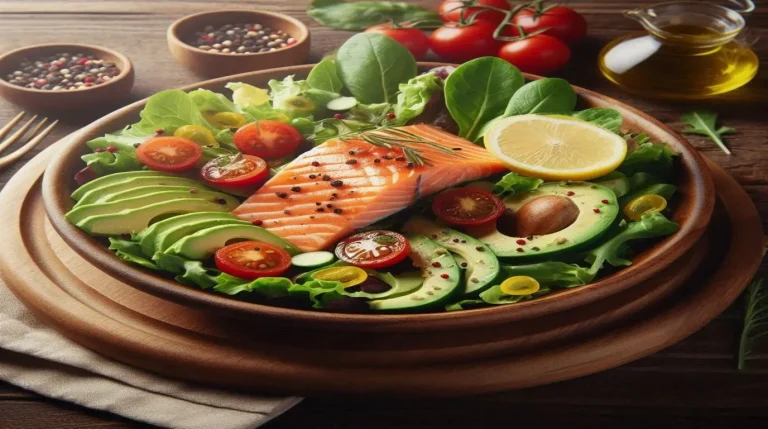
Color on a plate serves as a visual indicator of nutrient density. When children see variety across their plate, they encounter different phytonutrients, vitamins, and minerals supporting various body systems. Red tomatoes provide lycopene for cellular health, orange carrots deliver beta-carotene for vision, dark leafy greens offer calcium and iron, and purple blueberries contain anthocyanins supporting brain function.
Building meals around this principle doesn’t require culinary expertise. A simple stir-fry combining bell peppers, broccoli, snap peas, and lean protein creates visual interest while delivering micronutrient variety. Roasted vegetable medleys, where children participate in cutting and seasoning, often find greater acceptance than steamed vegetables alone. Even pasta dishes become nutrient upgrades when colorful vegetables are incorporated alongside whole-grain pasta and protein sources.
2. Transforming Familiar Favorites Into Nutritional Upgrades
Children typically prefer familiar foods, and fighting this preference creates unnecessary mealtime battles. Instead, strategic modifications transform comfort foods into nutritionally complete options. Mac and cheese becomes protein-enhanced through the addition of Greek yogurt to the sauce without altering the recognizable taste. Spaghetti sauce masks pureed vegetables while delivering vitamin A, fiber, and minerals that children might otherwise reject if presented as separate components.
Ground meat dishes particularly benefit from this approach. Tacos, burgers, and pasta sauces accept bulk additions of finely minced mushrooms, lentils, or beans without detectable texture changes. One hidden vegetable study demonstrated that children who consumed modified versions of their favorite foods consumed approximately 40 percent more vegetables overall compared to children who ate unchanged versions of the same meals. This practical strategy respects children’s food preferences while expanding nutritional intake.
3. Making Protein Consumption Appealing and Varied
Protein doesn’t require expensive animal sources or complex preparation. Beans, lentils, and legumes provide complete or nearly complete amino acid profiles while introducing diverse flavors supporting palate development. Chili becomes kid-friendly through controlled spicing, and many children enjoy the texture of beans disguised within familiar dishes.
Eggs represent breakfast possibilities beyond scrambled versions: egg muffins combining vegetables, cheese, and lean meats prepare quickly and freeze well for grab-and-go mornings. Greek yogurt parfaits layered with granola and fruit provide protein alongside probiotics supporting digestive health. Incorporating fish through familiar preparations, fish tacos, for example, introduces omega-3 fatty acids that children often lack. The strategy involves emphasizing variety rather than forcing any single protein source.
4. Snack Strategy: Turning Hunger Into Nutrition Opportunities
Snacks represent significant caloric contributions to children’s daily intake, often comprising 25 to 35 percent of total calories. Rather than treating snacks as separate from nutritional goals, strategic snack selection transforms these intervals into nutritional investments. Apple slices paired with almond butter deliver complex carbohydrates and healthy fats, supporting sustained energy. Cheese cubes with whole-grain crackers and berries create balanced mini-meals addressing multiple nutritional needs.
Homemade granola bars, energy balls made from dates and nuts, and yogurt-based popsicles provide satisfying alternatives to processed options. These preparations often involve children directly, creating ownership and a greater likelihood. Storing grab-and-go options ensures convenient, healthy selections during busy weekdays when less optimal choices often prevail.
5. Family Kitchen Involvement: Education Through Participation
Research demonstrates that children involved in meal preparation consume significantly more vegetables and exhibit more adventurous eating patterns compared to non-participating peers. This engagement transforms cooking from passive consumption into active learning experiences, connecting nutrition to family time and cultural traditions.
Age-appropriate tasks range from a four-year-old washing produce to teenagers independently planning and executing simple meals. This progression builds competence, confidence, and genuine interest in food beyond entertainment. Children who choose recipes, shop for ingredients, and prepare meals develop decision-making skills while naturally encountering nutritional information. The collaborative process often resolves picky eating through investment in the meal’s creation rather than passive presentation.
Practical Implementation: Building Weekly Routines
Sunday Preparation Sets the Week’s Foundation
Dedicating two to three hours on Sunday evening creates infrastructure supporting weekday nutrition. Washing and storing fresh produce, cooking grains in bulk, and preparing simple proteins streamlines meal assembly throughout the week. This approach eliminates decision fatigue and creates default healthy options when busy weekday evenings demand quick solutions.
Batch-cooking chicken breasts, turkey ground meat, or legume-based proteins ensures quality protein availability for multiple meals. Pre-cut vegetables stored in water extend shelf life and improve accessibility for snacking or quick meal assembly. Portioning granola and trail mix eliminates temptation toward less nutritious options during afternoon hunger periods. These preparations require minimal culinary skill yet dramatically improve the likelihood of nutritious meal execution throughout the week.
Real Mealtime Scenarios and Solutions
Weeknight Dinner Challenge: A simple sheet pan supper combining protein, vegetables, and whole grain carbohydrates requires minimal preparation and cleanup. Salmon or chicken thighs combined with roasted broccoli, carrots, and sweet potatoes bake simultaneously, eliminating multiple cooking tasks.
School Lunch Alternatives: Involving children in lunch preparation transforms this daily task from a burden to a partnership. Allowing choice among prepared components, children construct meals matching nutritional requirements while feeling agency. Options might include protein choices, vegetable selections, and whole-grain bases that children assemble according to preference.
Snack Accessibility: Positioning healthy snacks at eye level in refrigerators and pantries increases consumption compared to less visible nutritious options. Pre-portioning prevents overeating while ensuring quick access. Many families find success replacing traditional treat snacks with primarily nutritious options, eliminating decision complexity around what constitutes acceptable snacking.
Addressing Common Obstacles and Building Sustainable Habits
The Picky Eater Reality
Extreme pickiness in children reflects normal development rather than a character flaw or parental failure. Research suggests exposure to new foods requires 15 to 20 encounters before children accept unfamiliar items. This reality requires patience and strategic repetition rather than forcing consumption or creating negative associations with nutritious foods.

Serving unfamiliar foods alongside preferred items reduces pressure while maintaining exposure opportunities. Family modeling, where children observe parents eating and enjoying diverse foods, proves remarkably effective. Involving children in preparation increases willingness to taste new items, particularly when participation creates investment in outcomes. Accepting that some children require extended timelines toward dietary diversity remains preferable to mealtime conflicts undermining family atmosphere.
Budget Considerations in Nutritious Eating
The perception that healthy eating requires premium pricing deters many families from nutritional prioritization. Reality suggests that whole foods, including frozen vegetables, dried beans, and bulk grains, often cost less than processed alternatives. Seasonal produce, sale shopping, and strategic bulk purchases dramatically reduce expenses while maintaining nutritional standards.
Frozen vegetables retain nutritional value while offering convenience and reduced waste compared to fresh produce. Canned beans without added sodium provide protein at a fraction cost of fresh alternatives. Ground turkey, eggs, and yogurt represent budget-friendly proteins supporting growth without excessive expense. Strategic shopping focused on whole ingredients rather than convenience products transforms nutrition from a financial burden into a reasonable economic choice for most families.
Frequently Asked Questions About Children’s Nutrition
What’s the realistic daily calorie requirement for children of different ages?
Daily calorie needs vary significantly based on age, sex, and activity level. Children aged four to eight typically require 1,200 to 1,400 calories daily, while nine to thirteen-year-olds need 1,400 to 2,200 calories depending on activity level. Ages 14 to 18 require 1,800 to 3,200 calories, with active teenagers often approaching adult requirements. Rather than obsessing over exact numbers, parents benefit from ensuring meals include diverse whole foods with natural satiety signals, allowing children to self-regulate consumption appropriately.
How frequently should children eat throughout the day for optimal nutrition and behavior?
Structured eating intervals of approximately three to four hours prevent blood sugar crashes associated with behavioral issues and academic struggles. Most children thrive with three meals plus two snacks daily, though individual variation exists. Consistent meal timing establishes natural hunger signals and reduces grazing on empty calories. Regular eating rhythms also simplify scheduling and create predictable structures supporting family routines.
Are supplements necessary for children eating balanced diets?
Quality whole food sources provide superior nutrient bioavailability compared to supplements. However, certain situations warrant supplementation; vitamin D supplementation remains advisable for many children, particularly those in northern climates with limited winter sun exposure. Children following restrictive diets may benefit from B12 or iron monitoring. Consulting pediatricians regarding individual circumstances proves more effective than assuming universal supplementation needs.
What distinguishes healthy snacks from the typical highly processed options?
Healthy snacks contain protein, healthy fats, or fiber supporting satiety, whereas processed snacks typically deliver empty calories from refined carbohydrates and added sugars. Compare a granola bar containing whole grains, nuts, and fruit against typical candy bars containing primarily sugar and refined flour. Homemade versions provide superior nutritional profiles while reducing hidden sugars and artificial additives that accumulate through multiple processed snack items daily. Reading ingredient lists clarifies nutritional quality more effectively than marketing claims.
How can parents model healthy eating without creating rigidity or disordered eating patterns?
Balanced approaches emphasize consistency in nutritious eating while incorporating flexibility and occasional treats without guilt or restriction language. Children thrive when observing parents eating diverse foods with enjoyment while maintaining weight management without obsessive commentary. Avoiding labeling foods as strictly “good” or “bad” reduces the potential for rebellion or disordered thinking. Instead, framing choices as supporting growth and energy during active childhood proves more constructive and reduces mealtime stress.
Building Lifelong Health Through Childhood Nutrition
The meals prepared during childhood extend far beyond immediate satiety. Each nutritious option contributed to growing bodies represents an investment in future health, academic performance, and emotional resilience. The practical strategies outlined above acknowledge real-world constraints while refusing to accept nutritional compromises as inevitable.
Parents shouldn’t expect perfection or become discouraged by occasional deviations from ideal patterns. Building sustainable habits requires patience, flexibility, and consistent effort rather than dramatic transformations. Small improvements in vegetable consumption, protein consistency, and snack quality compound into meaningful nutritional advantages supported by decades of research.
The most successful approach combines nutritional knowledge with practical implementation, family involvement, and genuine enjoyment of shared meals. When children participate in preparation, make choices within structured options, and experience food as a family connection rather than a battleground, lasting positive relationships with nutrition naturally develop. This foundation established during childhood protects health, supports academic achievement, and creates patterns sustaining wellness throughout adulthood.
For evidence-based pediatric nutrition guidance, families benefit from consulting resources including the Academy of Nutrition and Dietetics and USDA MyPlate guidelines, which provide age-appropriate recommendations and practical meal planning resources supporting this critical developmental period.