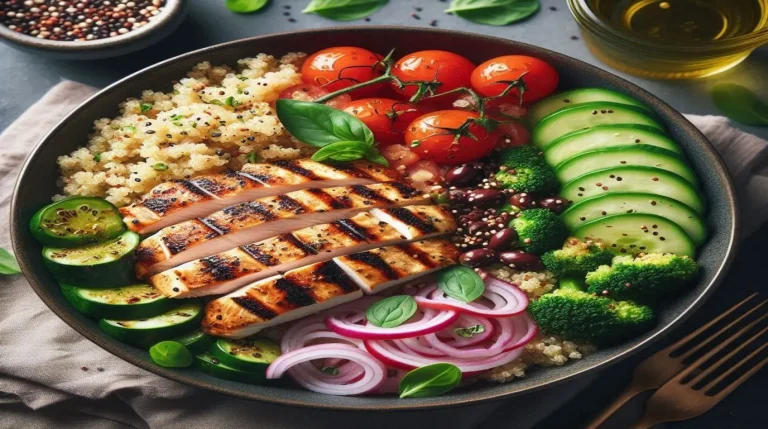

Unlock Long-Term Weight Loss: The Power of a High-Protein Diet Plan
Studies published in the Journal of Nutrition reveal that consuming 25-30g of protein per meal optimizes muscle protein synthesis compared to the typical pattern of minimal protein at breakfast (±10g), moderate at lunch (±15g), and high at dinner (±65g). This even distribution maintains steady amino acid availability in the bloodstream, supporting continuous muscle maintenance while preventing the excessive hunger that often derails weight loss efforts.
Effective implementation includes:
- Restructuring breakfast to include substantial protein sources
- Planning mid-morning and afternoon snacks with 10-15g of protein each
- Moderating evening protein consumption to match, not exceed, earlier meals
This approach particularly benefits adults over 40, who require more protein per meal to stimulate muscle preservation due to age-related anabolic resistance.
3. Convenient High-Protein Options for Time-Constrained Lifestyles
The reality of American life in 2025 means that theoretical nutrition knowledge must translate to practical solutions that work within limited time constraints.
The expansion of convenient protein options has revolutionized adherence to high-protein eating patterns. Beyond traditional protein bars and shakes, the market now offers innovative solutions like complete-protein pasta made from legumes, ready-to-eat protein packages combining nuts, cheese, and dried meat, and high-protein frozen meals formulated with quality ingredients.
For sustainable implementation:
- Batch prepare protein sources once or twice weekly
- Stock portable options that require no refrigeration for on-the-go situations
- Utilize modern appliances like pressure cookers and air fryers that reduce cooking time for protein-rich meals
The combination of planning and leveraging convenience options allows for consistent execution even during the busiest weeks, preventing the all-or-nothing thinking that often undermines dietary changes.
The Science Behind Protein and Fat Loss
Understanding protein’s multifaceted impact on body composition requires examining both acute and chronic mechanisms that extend far beyond simple calorie considerations.
Metabolic Advantages Beyond Calories
While caloric balance remains fundamentally important, protein’s influence on metabolism creates advantages not captured by simple mathematics. A landmark meta-analysis in the American Journal of Clinical Nutrition found that high-protein diets led to approximately 1.21 kg more weight loss and 0.75 kg more fat loss compared to standard protein diets, even when calories were identical.