
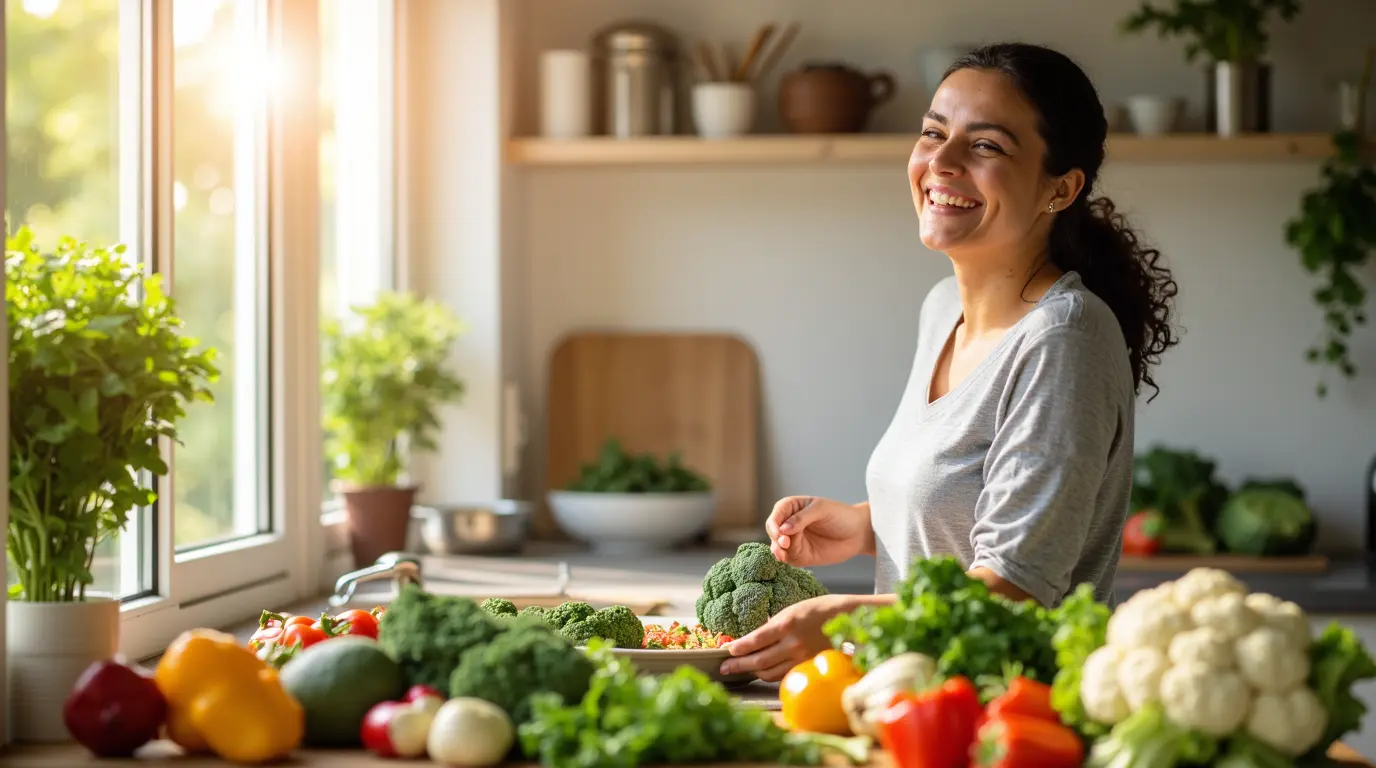
Cruciferous Vegetables and Weight Loss: A Healthy Guide
Cruciferous Vegetables and Weight Loss, Power Up Your Health with Fiber, Nutrients & Antioxidants
Cruciferous vegetables represent one of nature’s most powerful food groups for supporting both weight management and overall health. These remarkable greens derive their name from the Latin word for “crucifix,” as their flowers resemble a cross shape. Rich in essential nutrients, fiber, and unique plant compounds, cruciferous vegetables offer a compelling combination of benefits that make them invaluable for anyone focused on healthy weight management.
What Are Cruciferous Vegetables?
The cruciferous or brassica family (Brassicaceae) includes several familiar and nutritious vegetables:
- Broccoli
- Cauliflower
- Brussels sprouts
- Kale
- Cabbage
- Arugula
- Bok choy
- Radishes
- Turnips
Each variety brings its unique nutritional profile and culinary possibilities to your plate.
The Weight Loss Connection
Low in Calories, High in Fiber
Cruciferous vegetables are particularly valuable for weight management because they deliver exceptional nutritional density while being remarkably low in calories. A typical serving provides approximately 20% of your daily fiber requirements, helping you feel fuller longer while consuming fewer total calories.
Research consistently shows that consuming adequate fiber (approximately 30 grams daily) supports weight loss goals effectively. Beyond weight management, this fiber intake also contributes to reduced blood pressure and lower risks of developing diabetes and obesity.
Metabolic Support Through Nutrient Density
These vegetables don’t just fill you up—they actively support your metabolism through their impressive array of vitamins, minerals, and antioxidants. By choosing nutrient-rich cruciferous vegetables, you provide your body with the building blocks it needs for efficient metabolic function while feeling satisfied on fewer calories.
Health Benefits Beyond Weight Management
Cancer-Fighting Properties
One of the most well-researched benefits of cruciferous vegetables is their potential to reduce cancer risk. Their glucosinolates and unique plant compounds demonstrate remarkable anticancer activity, including the ability to neutralize carcinogens, inhibit tumor growth, and even trigger apoptosis (programmed cell death) in cancer cells. Studies consistently show that higher consumption of cruciferous vegetables correlates with reduced risk of various cancers, including breast and lung cancer.
Heart Health and Cholesterol Management
Cruciferous vegetables support cardiovascular health through multiple mechanisms. Their fiber content helps lower cholesterol levels, while their vitamin and mineral profiles support overall heart function. Regular consumption has been linked to improved cholesterol profiles and reduced risk of heart disease.
Enhanced Immunity and Disease Prevention
The immune-boosting compounds in cruciferous vegetables help strengthen your body’s natural defenses against infection. Their bioactive compounds demonstrate antimicrobial properties that can inhibit the growth of certain bacteria and viruses, contributing to overall wellness and disease prevention.
Adding More Cruciferous Vegetables to Your Diet
Recommended Servings
The USDA recommends consuming 1.5 to 2.5 cups of cruciferous vegetables weekly as part of a balanced diet. More specifically:
- Women should aim for 2.5 cups of vegetables daily
- Men should aim for 3 cups of vegetables daily
One cup of raw or cooked broccoli, Brussels sprouts, or cauliflower counts as one cup from the vegetable group, while two cups of raw leafy vegetables like kale equals one cup from the vegetable group.
Best Cooking Methods
To maximize nutritional benefits, the cooking method matters:
- Steaming preserves the most nutrients according to research
- Boiling tends to leach away water-soluble vitamins
- Microwaving, stir-frying, and consuming some varieties raw are also excellent options for nutrient retention
Creative Ways to Enjoy Cruciferous Vegetables
- Add them to colorful slaws and salads
- Roast with olive oil and seasonings for a caramelized flavor
- Blend into smoothies (especially milder varieties like cauliflower)
- Use as pizza toppings
- Substitute turnips for potatoes in various recipes
- Make cauliflower rice or mashed “potatoes”
- Add to soups and stews
- Create delicious stir-fries
Cruciferous Vegetables and Weight Loss: 2 Delicious Recipes for a Healthy Diet
Here are two tasty recipe examples featuring cruciferous vegetables, perfect for supporting your weight loss goals while enjoying nutrient-rich, delicious meals. These dishes are packed with fiber and antioxidants to help you feel full and energized throughout the day.
Recipe 1: Roasted Brussels Sprouts with Garlic & Lemon
A simple and flavorful side dish using Brussels sprouts, packed with fiber and nutrients to support weight loss.

Ingredients:
- 2 cups Brussels sprouts, trimmed and halved
- 1 tablespoon olive oil
- 2 cloves garlic, minced
- Zest and juice of 1 lemon
- Salt and pepper, to taste
- Fresh parsley for garnish
Preparation:
- Preheat the oven to 400°F (200°C).
- Toss the halved Brussels sprouts in olive oil, minced garlic, salt, and pepper.
- Spread them evenly on a baking sheet and roast for 20-25 minutes, tossing halfway through, until crispy and golden.
- Remove from the oven and squeeze fresh lemon juice over the sprouts. Garnish with lemon zest and parsley.
- Serve warm as a side dish.
Serves: 2 people
Recipe 2: Broccoli & Kale Stir-Fry with Tofu
A quick, savory stir-fry combining nutrient-rich broccoli, kale, and tofu, perfect for weight loss and satisfying your cravings.

Ingredients:
- 1 cup broccoli florets
- 1 cup kale, chopped
- 1/2 block firm tofu, cubed
- 1 tablespoon olive oil
- 2 tablespoons low-sodium soy sauce
- 1 teaspoon sesame oil
- 1 tablespoon rice vinegar
- 1/2 teaspoon garlic powder
- Sesame seeds for garnish
Preparation:
- Heat olive oil in a pan over medium heat. Add cubed tofu and sauté until golden and crispy (about 5-7 minutes). Remove from the pan and set aside.
- In the same pan, add broccoli and sauté for 3-4 minutes until slightly tender. Add kale and cook for another 2-3 minutes until wilted.
- Stir in soy sauce, sesame oil, rice vinegar, and garlic powder. Toss everything together and cook for 2 more minutes.
- Add tofu back into the pan and toss everything to combine.
- Serve warm, garnished with sesame seeds.
Serves: 2 people
Cruciferous Vegetables and Weight Loss Conclusion
Incorporating cruciferous vegetables into your daily meals offers tremendous benefits for both weight management and long-term health. Their exceptional nutrient profile supports metabolic function, reduces inflammation, and provides protection against serious diseases like cancer and heart disease.
The science is clear: regular consumption of these powerful vegetables contributes to better satiety, improved digestive function, and more efficient calorie utilization. By making broccoli, kale, cauliflower, Brussels sprouts, and other cruciferous vegetables staples in your diet, you gain access to their wealth of health-promoting properties while supporting your weight management goals.
FAQ on Cruciferous Vegetables and Weight Loss
1. What are cruciferous vegetables?
Cruciferous vegetables include broccoli, Brussels sprouts, cauliflower, kale, cabbage, and bok choy. These vegetables are high in fiber, vitamins, and antioxidants, making them excellent for overall health and weight management.
2. How do cruciferous vegetables help with weight loss?
Cruciferous vegetables are low in calories but high in fiber, which helps promote fullness and prevent overeating. They also contain compounds like sulforaphane that may aid in boosting metabolism and reducing inflammation.
3. Can I eat cruciferous vegetables every day for weight loss?
Yes! Incorporating cruciferous vegetables into your daily meals can support weight loss efforts due to their nutrient density, low-calorie count, and ability to keep you feeling full longer.
4. Are cruciferous vegetables safe to eat in large amounts?
While cruciferous vegetables are very healthy, eating them in moderation is key. In excessive amounts, they can cause digestive discomfort in some people due to their fiber content. It’s best to enjoy them as part of a balanced diet.
5. What are some easy ways to include cruciferous vegetables in my meals?
You can enjoy them in various ways, such as roasting, stir-frying, adding them to salads, or blending them into smoothies. These vegetables pair well with many different seasonings and cooking methods for added variety.