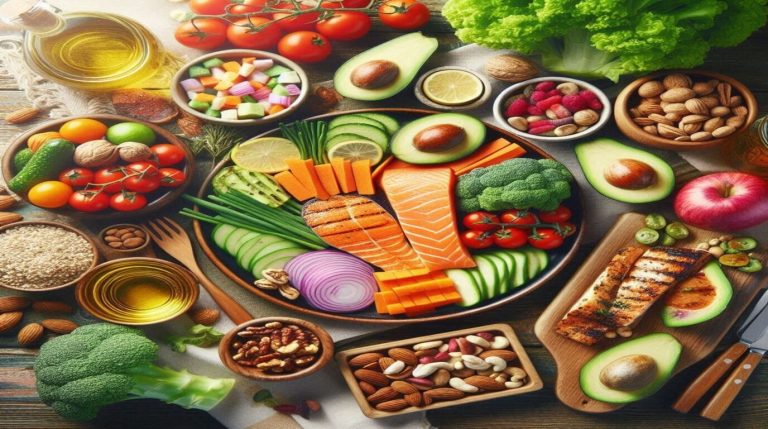

Lose Weight Naturally with These Powerful Leafy Green Vegetables
Why Dark Greens Deserve a Permanent Spot in Your Meals
The science behind Leafy Green weight management has become increasingly clear: certain foods can genuinely transform how the body processes fat. Dark leafy greens, particularly spinach, kale, romaine lettuce, chard, and collard greens-stand out as nutritional powerhouses that support sustainable weight loss efforts. These vegetables deliver exceptional value because they’re extraordinarily low in calories while packing dense nutrients that actively support metabolic function.
What makes these greens particularly effective goes beyond simple calorie counting. Research demonstrates that calcium-rich foods help accelerate metabolic rate, meaning the body burns calories more efficiently throughout the day. Combined with their impressive fiber content, vitamin profiles, and mineral density, leafy greens create an ideal foundation for anyone serious about sustainable weight management without restrictive dieting.
The Calcium Connection: How Greens Boost Fat Burning
Calcium plays a surprisingly important role in how effectively the body burns fat stores. Studies consistently show that individuals consuming adequate calcium experience faster fat loss compared to those with deficient intake. The mechanism is straightforward: calcium helps regulate metabolism at the cellular level, essentially instructing the body to burn fuel more efficiently.
This isn’t about adding calcium supplements to a poor diet. Instead, obtaining calcium through whole food sources like leafy greens creates a synergistic effect. The fiber, vitamins, and phytonutrients in these vegetables work together to enhance calcium absorption and metabolic effectiveness. This combination explains why kale and spinach produce noticeably better results than isolated calcium sources.
Breaking Down the Nutritional Profile of Top Weight Loss Greens
Spinach remains a nutritional standout with just 7 calories per raw cup despite its robust nutrient density. This mild-tasting green adapts to virtually any dish, making consistent consumption remarkably manageable. Its iron, vitamins A and K, and calcium content support both weight loss and overall energy levels throughout the day.

Kale delivers similar caloric minimalism at 7 calories per cup while offering distinctive flavor and texture. The hearty nature of kale makes it satisfying even in small portions, and its vitamin C concentration actively supports metabolic activity. Many Americans find kale’s slightly bitter profile improves digestion and reduces cravings for processed foods.
Romaine lettuce provides a milder entry point at just 8 calories per cup with excellent water and fiber content. For those building gradual dietary changes, romaine serves as an accessible foundation that transitions smoothly into more robust greens as palates adapt. Its crisp texture and neutral flavor make it ideal for salads and lettuce-based meal solutions.
Fiber’s Role in Hunger Management and Satiety
The fiber in leafy greens fundamentally changes how the digestive system processes food and signals fullness to the brain. Rather than providing quick energy spikes followed by crashes, fiber creates sustained satiation that naturally reduces overall calorie intake. This isn’t appetite suppression through restriction—it’s genuine physiological satisfaction that supports long-term compliance with healthier eating patterns.
Americans frequently struggle with portion control and constant snacking, not because of weakness but because they’re eating foods that don’t trigger proper fullness signals. Replacing calorie-dense carbohydrates with fiber-rich greens retrains the digestive system to recognize and communicate actual satiety. Over time, this creates a sustainable shift toward naturally consuming appropriate portions without willpower battles.
Practical Integration: Making Greens a Daily Reality
The barrier to consistent green consumption often isn’t a matter of taste preference; it’s convenience and habit. Meal prepping fresh greens at the start of the week dramatically increases accessibility. Washing, chopping, and storing spinach or kale takes roughly 20 minutes but eliminates the friction that prevents daily consumption throughout the week.
Incorporating greens doesn’t require replacing favorite meals entirely. Adding handfuls of spinach to pasta sauce, blending kale into morning smoothies, or sautéing collard greens as dinner sides integrates these vegetables into existing routines seamlessly. Even modest increases in green vegetable consumption show measurable metabolic benefits within weeks.
Breakfast Through Dinner: Green Integration Strategies
Morning routines benefit tremendously from green smoothie preparations that combine spinach or kale with fruits, nuts, and protein sources. These combinations create filling breakfasts that stabilize blood sugar and reduce mid-morning cravings significantly. The mild green flavor disappears entirely when blended with fruit, making this approach accessible even to skeptics.
Lunch opportunities expand through simple salad construction featuring romaine or mixed greens topped with lean proteins, vegetables, and light dressings. The psychological benefit of a substantial, colorful lunch plate shouldn’t be underestimated—it satisfies visual and gustatory expectations while delivering metabolic advantages. Afternoon energy levels noticeably improve compared to typical carbohydrate-heavy lunch patterns.
Dinner transitions work efficiently by incorporating sautéed or roasted greens as substantial side dishes or by substituting greens for grain components. Swiss chard, beet greens, and kale cook quickly with minimal olive oil and herbs, creating nutrient-dense additions that support satiety without excessive calories. This simple swap reduces overall meal caloric density while increasing nutritional completeness.
Beyond Weight Loss: Systemic Health Benefits
Green leafy vegetables operate as antioxidant delivery systems, combating cellular damage from free radicals and environmental stress. The anti-inflammatory compounds in kale, spinach, and chard reduce systemic inflammation, a root cause of numerous chronic conditions, including cardiovascular disease, metabolic syndrome, and joint degradation. Regular consumption creates protective effects that extend far beyond weight management alone.
The vitamin and mineral density in leafy greens supports immune function, bone strength, and organ health at fundamental levels. Vitamin K, essential for bone mineralization and blood coagulation, reaches therapeutic levels in single servings of these vegetables. Combined with vitamin C, vitamin A, and essential minerals, greens represent one of the most nutrient-dense food categories available, particularly important as Americans age and face age-related health challenges.
Addressing Common Barriers to Consistent Consumption
Picky eaters frequently discover that green vegetables become palatable through strategic preparation rather than forcing acquired tastes. Blending greens into soups creates smoothness that camouflages texture concerns while retaining full nutritional value. Starting with milder greens like spinach and romaine before progressing to assertive options like kale often resolves initial resistance.

Flavor enhancement through complementary cooking methods transforms perception dramatically. Roasting kale with olive oil and sea salt creates crispy snacks bearing little resemblance to boiled greens from previous dietary experiences. Garlic-infused preparations, lemon juice, and ethnic cooking styles expand appreciation for vegetables that initial exposure suggested were unpalatable.
FAQ About Leafy Green Vegetables
What specific calorie reductions can realistically result from increased green vegetable consumption?
Individual results vary based on baseline diet composition, but replacing just one daily snack with green-based options typically creates 150-300 calorie daily reductions. Over time, this compounds into substantial weight loss: one pound weekly equals approximately 500-1000 daily calories saved. The advantage of vegetable-based calorie reduction is sustainability; greens don’t trigger hunger responses like restriction-based approaches.
How quickly should noticeable metabolic changes occur after increasing green consumption?
Metabolic acceleration typically becomes noticeable within 2-3 weeks as the body adjusts to increased nutrient density and fiber intake. Energy levels often improve within days, while measurable weight changes usually manifest within 4-6 weeks, depending on activity level and overall dietary composition. Patience matters here; sustainable metabolism shifts require time rather than dramatic interventions.
Can green smoothies deliver equivalent benefits to whole vegetable consumption?
Smoothies retain fiber and nutrients while improving accessibility and palatability for many people. However, blending reduces mechanical digestion benefits and increases absorption speed slightly, which affects satiety duration. Combining smoothie consumption with whole greens in other meals optimizes both convenience and physiological benefits without creating dependency on blended formats.
Should specific green varieties be prioritized for maximum weight loss results?
All dark leafy greens deliver weight loss benefits, so preference and accessibility matter more than perpetual optimization. Spinach offers the mildest flavor for beginners, while kale and chard provide superior fiber density. Rotating between varieties ensures a broader nutrient spectrum and prevents palatability fatigue, ultimately supporting long-term adherence better than any single “perfect” choice.
What preparation methods preserve maximum nutritional value during cooking?
Light sautéing in olive oil at moderate temperatures optimally balances nutrient preservation with flavor development. Steaming preserves water-soluble vitamins better than boiling, which leaches nutrients into discarded water. Raw consumption maximizes enzyme activity, though cooking slightly improves mineral bioavailability for some nutrients, making variety in preparation methods nutritionally advantageous.
Conclusion: Building Sustainable Dietary Foundations
Weight loss lasting beyond months requires fundamental dietary shifts rather than temporary restrictions. Integrating leafy greens establishes a sustainable nutritional foundation supporting metabolic efficiency, genuine satiety, and systemic health improvements. The scientific evidence consistently demonstrates that calcium-rich, fiber-dense greens create measurable fat loss without deprivation or extreme limitation.
The journey toward healthier body composition inherently includes obstacles and plateaus; this remains entirely normal. Success depends not on avoiding challenges but on maintaining consistency through inevitable difficulty periods. Green leafy vegetables serve as reliable nutritional anchors throughout this process, providing measurable progress markers and tangible health improvements independent of scale readings.
Americans increasingly recognize that sustainable weight management integrates into existing life rather than competing against it. Making greens a permanent dietary component—whether through morning smoothies, convenient salads, or sautéed side dishes – creates the consistency necessary for meaningful, lasting results. This realistic, evidence-based approach to nutrition supports both immediate weight loss goals and long-term health trajectory simultaneously.