
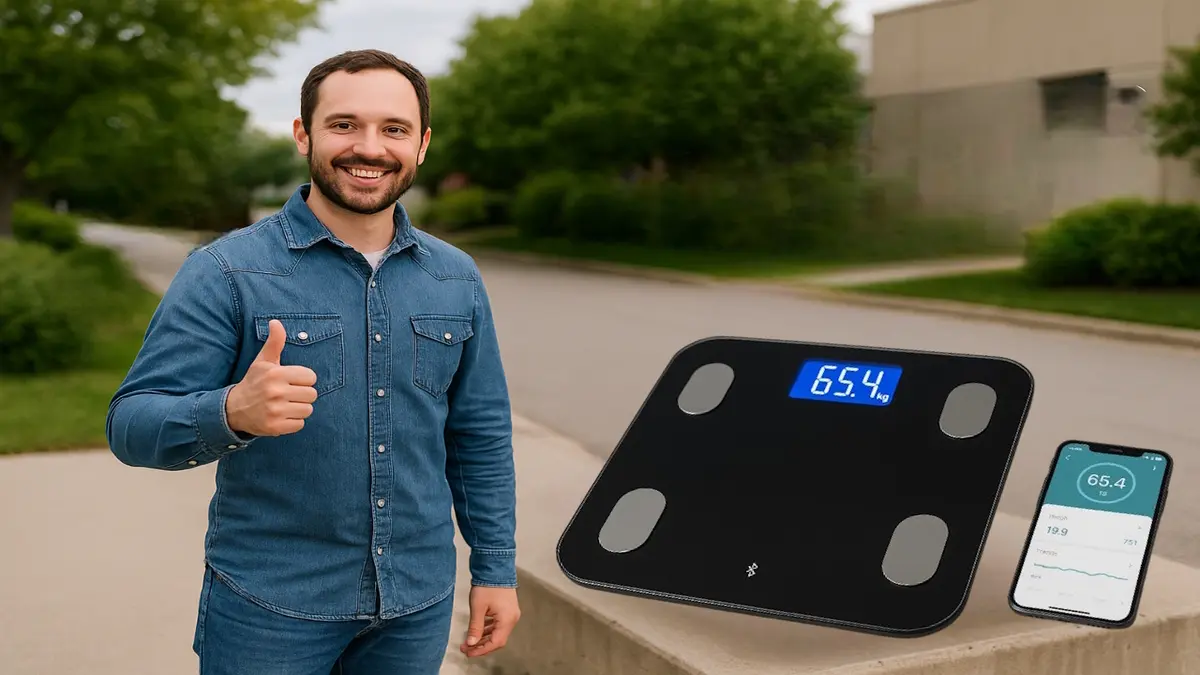
Weight Scales Near Me: Find the Best Weighing Solutions
Weight Scales Near Me 2025: Find the Best Digital Bathroom Scales for Accurate Weight Tracking
Finding high-quality weight scales near you has become more convenient than ever in 2025, with retailers like CVS Pharmacy, Home Depot, Target, and Walmart offering extensive selections of digital bathroom scales, smart weight scales, and professional-grade weighing solutions. Whether you’re searching for basic digital scales for daily weight monitoring or advanced smart scales with body composition analysis, local stores and online retailers provide comprehensive options to meet every health and fitness need. The weight scale market in 2025 features cutting-edge technology, including AI-powered health insights, multi-user recognition, and seamless smartphone connectivity that transforms simple weight measurement into comprehensive wellness tracking.
Best Digital Bathroom Scales Available Near You in 2025
The CVS Health Digital Body Scale remains a top choice for consumers seeking reliable weight measurement solutions, featuring an upgraded 2025 model with enhanced safety glass construction, 400-pound weight capacity, and precision measurements accurate to 0.1 pounds. This popular bathroom scale combines sleek design aesthetics with professional-grade functionality, utilizing a rechargeable lithium-ion battery system that provides up to six months of operation between charges. The scale’s large 4-inch LED display includes night vision mode for early morning weigh-ins, while auto-calibration technology ensures consistent accuracy without manual adjustments. CVS locations nationwide stock this model alongside other premium digital scales, making it easy to find quality weighing solutions in your local area.
Smart weight scales with Bluetooth and Wi-Fi connectivity have revolutionized home health monitoring by offering comprehensive body composition analysis beyond simple weight measurement. These advanced scales measure body fat percentage, muscle mass, bone density, metabolic age, and visceral fat levels using bioelectrical impedance analysis (BIA) technology that’s accurate within 3-5% of professional-grade medical equipment. Popular smart scale models available at retailers like Best Buy, Target, and Amazon sync automatically with health apps including Apple Health, Google Fit, MyFitnessPal, and Fitbit, creating seamless integration with existing fitness tracking routines. The convenience of automatic data syncing eliminates manual logging while providing detailed trend analysis and personalized health recommendations based on your measurement history.
Where to Buy Weight Scales Near Me: Local and Online Options
CVS Pharmacy operates over 9,000 locations nationwide, making it the most accessible retailer for purchasing digital bathroom scales and smart weighing devices, with prices ranging from $29.99 for basic models to $149.99 for premium smart scales with advanced features. The pharmacy chain’s health focus extends to their scale selection, offering professional consultation services to help customers choose appropriate models based on specific health monitoring needs and fitness goals. CVS stores typically stock 15-20 different scale models, including their popular house brand options, Withings smart scales, and other leading manufacturers, with frequent sales and pharmacy rewards program discounts making quality scales more affordable.
Home Depot’s 2,300+ locations provide an extensive selection of bathroom scales, kitchen scales, and commercial-grade weighing equipment, catering to both residential customers and business applications requiring higher weight capacities and industrial durability. The home improvement retailer’s scale inventory includes high-capacity models supporting up to 550 pounds, professional kitchen scales for culinary applications, and specialized luggage scales for travel convenience. Home Depot’s online platform offers same-day pickup service in most markets, allowing customers to research products online and collect purchases at their preferred store location, while their pro desk services cater to contractors and businesses requiring multiple units or commercial-grade specifications.
Target and Walmart combine nationwide accessibility with competitive pricing on weight scales, offering budget-friendly options starting at $19.99 alongside premium smart scales, with exclusive store brands and seasonal promotions providing additional value for cost-conscious consumers. Both retailers have expanded their online presence with local delivery options, curbside pickup, and price-matching policies that ensure competitive pricing on popular scale models. Their pharmacy sections often feature health-focused scale displays with informational materials about weight management and fitness tracking, while their electronics departments showcase smart scales with detailed feature comparisons and customer review displays.
Smart Scale Technology and Features in 2025
Artificial intelligence integration has transformed weight scales from simple measurement devices into comprehensive health analysis platforms that provide personalized insights, trend predictions, and customized recommendations based on individual user data and health goals. Modern smart scales utilize machine learning algorithms to analyze weight fluctuations, body composition changes, and measurement patterns, offering advice on hydration levels, workout effectiveness, and potential health concerns that warrant medical attention. These AI-powered features work continuously in the background, learning user preferences and creating increasingly accurate health profiles that enhance the value of daily weight monitoring routines.
Multi-user recognition technology represents a significant advancement in smart scale functionality, automatically identifying up to 16 different family members based on weight patterns and body composition profiles without requiring manual user selection. This feature streamlines family health tracking by maintaining separate profiles for each user, tracking individual progress toward personal goals, and providing age-appropriate health metrics and recommendations. The technology proves particularly valuable for households with multiple fitness enthusiasts, medical conditions requiring weight monitoring, or families implementing comprehensive wellness programs where individual tracking and privacy are essential.
Voice assistant integration with Amazon Alexa, Google Assistant, and Apple Siri has made weight tracking more convenient and accessible, allowing users to receive verbal weight announcements, ask questions about health trends, and integrate scale data with smart home routines and health reminders. These voice-enabled features support hands-free operation for users with mobility limitations while providing audio feedback that’s particularly helpful for visually impaired individuals or those who prefer verbal confirmation of their measurements. The integration extends to setting up weigh-in reminders, tracking progress toward goals, and receiving motivational messages based on measurement consistency and health improvements.
Choosing the Right Weight Scale: Accuracy and Features
Professional-grade accuracy in bathroom scales requires precision within 0.1 pounds for home use, with some advanced models offering 0.01-pound precision for specialized applications including medical monitoring, athletic performance tracking, and scientific research requirements. Scale accuracy depends on several factors, including sensor quality, calibration frequency, placement stability, and environmental conditions, making it essential to choose models with strain gauge sensors, auto-calibration features, and robust construction that maintains precision over time. The most accurate scales feature multiple load sensors positioned at each corner of the platform, advanced signal processing electronics, and temperature compensation technology that adjusts for environmental variations affecting measurement consistency.
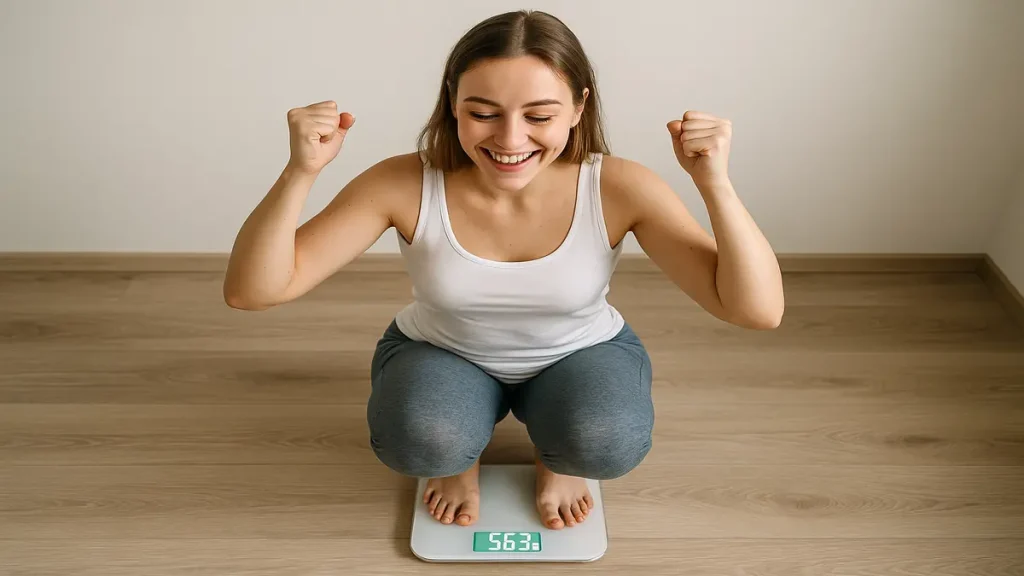
Platform design and safety considerations have evolved significantly in 2025, with manufacturers prioritizing larger surface areas, anti-slip texturing, and edge-to-edge glass construction that accommodates users of all sizes while preventing accidents during measurement. The standard platform size has increased to 12 inches by 12 inches minimum, with premium models offering 14-inch square platforms that provide more stability and comfort during use. Safety glass construction includes improved grip patterns, rounded edges, and reinforced corner protection, while weight distribution algorithms ensure accurate readings regardless of foot placement on the platform surface.
Battery life and power management in modern weight scales emphasize convenience and environmental responsibility through rechargeable battery systems, solar charging options, and ultra-low power consumption electronics that extend operation between charges. Premium models feature USB-C charging ports, wireless charging pads, and energy-harvesting technology that captures power from weighing motion, reducing or eliminating battery replacement needs. Auto-shutoff functionality has improved to activate within 5-10 seconds of measurement completion, while instant-on technology eliminates warm-up delays and provides immediate readings when users step onto the scale platform.
Health Benefits and Applications of Regular Weight Monitoring
Consistent weight monitoring provides early detection capabilities for various health conditions, including thyroid disorders, heart disease, diabetes complications, and medication side effects that cause rapid weight changes requiring medical attention. Healthcare professionals increasingly recommend daily weighing as part of comprehensive wellness programs, particularly for individuals managing chronic conditions, recovering from medical procedures, or participating in medically supervised weight loss programs. The data collected through regular scale use creates valuable health records that assist physicians in treatment decisions, medication adjustments, and long-term health management strategies.
Weight scale technology in 2025 supports diverse applications beyond personal health monitoring, including fitness goal achievement, athletic performance optimization, and family wellness programs that encourage healthy lifestyle habits across all age groups. Fitness enthusiasts benefit from detailed body composition tracking that reveals muscle gain, fat loss, and hydration changes that simple weight measurements cannot detect, while athletes use advanced metrics to optimize training programs and monitor recovery progress. The comprehensive data available through smart scales enables more informed decisions about nutrition, exercise intensity, and lifestyle modifications that support long-term health and fitness objectives.
Modern weight scales serve as central components in integrated health ecosystems that connect with fitness trackers, smartphone apps, medical devices, and healthcare provider systems, creating comprehensive wellness monitoring that extends far beyond simple weight measurement. This connectivity enables automatic health record keeping, medication adherence tracking, and telehealth support that improves healthcare access and quality while reducing costs associated with frequent medical visits. The evolution of weight scales from standalone devices to connected health platforms represents a significant advancement in consumer healthcare technology that empowers individuals to take more active roles in managing their health and wellness.
Installation and Maintenance of Digital Bathroom Scales
Proper installation and placement of digital bathroom scales significantly impact measurement accuracy and device longevity, requiring careful attention to surface selection, environmental factors, and calibration procedures that ensure optimal performance throughout the scale’s operational life. The ideal placement location features a hard, flat surface away from vibrations caused by washing machines, foot traffic, or structural movement, while maintaining consistent room temperature and humidity levels that prevent electronic component degradation. Professional installation guidelines recommend avoiding carpet, uneven tiles, or surfaces near heat sources, as these conditions can cause measurement inconsistencies and premature device failure that voids manufacturer warranties.
Regular maintenance routines for weight scales include weekly cleaning with microfiber cloths and mild cleaning solutions, monthly calibration checks using certified test weights, and quarterly inspection of battery connections, display clarity, and platform stability to identify potential issues before they affect measurement accuracy. Smart scales require additional maintenance, including firmware updates through companion mobile applications, Wi-Fi network connectivity verification, and data synchronization checks that ensure seamless integration with health tracking platforms. Proper storage during extended non-use periods involves removing batteries, cleaning all surfaces, and storing in climate-controlled environments that protect sensitive electronic components from moisture damage and temperature extremes.
Pricing Analysis and Value Comparison for Weight Scales
Budget-conscious consumers can find reliable digital bathroom scales in the $20-50 price range that offer basic weight measurement functionality with acceptable accuracy levels suitable for general health monitoring and daily weight tracking needs. These entry-level models typically feature simple LED or LCDs, battery-powered operation, and weight capacities between 300-400 pounds, making them appropriate for most household applications without advanced connectivity or body composition analysis features. Major retailers including Walmart, Target, and CVS frequently offer promotional pricing on budget scales, with seasonal sales events providing opportunities to purchase quality basic models at discounted prices that deliver excellent value for cost-conscious shoppers.
Mid-range weight scales priced between $50-120 provide enhanced features including smart connectivity, body composition analysis, multi-user recognition, and extended warranty coverage that justify the increased investment for health-conscious consumers seeking comprehensive wellness monitoring capabilities. These scales typically offer Bluetooth or Wi-Fi connectivity, compatibility with popular health apps, and advanced measurement capabilities, including body fat percentage, muscle mass analysis, and metabolic age calculation, that provide valuable insights beyond simple weight measurement. The mid-range category represents the optimal value proposition for most consumers, balancing advanced features with reasonable pricing while offering long-term reliability and manufacturer support.
Premium weight scales costing $120-300 deliver professional-grade accuracy, advanced health analytics, artificial intelligence integration, and comprehensive warranty packages that appeal to serious fitness enthusiasts, medical professionals, and consumers requiring the highest measurement precision and feature sophistication. These high-end models often include features such as physician-grade accuracy within 0.1 pounds, compatibility with medical device standards, advanced body composition analysis using multiple frequency bioelectrical impedance, and integration with telehealth platforms for remote patient monitoring. The premium segment provides exceptional build quality, extended product lifecycles, and customer support services that justify the higher investment for users demanding maximum performance and reliability.
Future Trends and Innovations in Weight Scale Technology
The weight scale industry continues evolving rapidly with emerging technologies, including advanced sensors, artificial intelligence integration, and health prediction algorithms that transform simple weighing devices into comprehensive health monitoring platforms capable of detecting early signs of medical conditions and providing predictive health insights. Manufacturers are developing scales with enhanced sensor arrays that measure additional biometric data, including heart rate variability, blood pressure estimation, and posture analysis, while machine learning algorithms analyze measurement patterns to identify potential health risks and recommend preventive interventions. These innovations position modern weight scales as essential components of preventive healthcare strategies that emphasize early detection and proactive health management.
Integration with smart home ecosystems and Internet of Things (IoT) platforms represents a significant growth area for weight scale technology, enabling seamless connectivity with other health monitoring devices, environmental sensors, and home automation systems that create comprehensive wellness environments. Future scales will likely feature enhanced voice control capabilities, gesture recognition, and ambient intelligence that anticipates user needs and provides contextual health information based on daily routines, sleep patterns, and activity levels. The convergence of weight scale technology with broader health technology ecosystems promises to deliver unprecedented convenience and health insights that support improved wellness outcomes and enhanced quality of life for users across all demographics and health conditions.
Specialized Weight Scales for Different User Groups
Athletic and fitness-focused weight scales incorporate advanced body composition analysis specifically calibrated for active individuals, featuring athlete modes that account for higher muscle mass percentages and lower body fat levels that differentiate trained individuals from general population measurement standards. These specialized scales utilize enhanced bioelectrical impedance analysis with multiple frequency measurements that provide more accurate readings for individuals with exceptional fitness levels, including bodybuilders, endurance athletes, and competitive sports participants who require precise tracking of muscle gain and fat loss during training cycles. Professional gyms, sports medicine clinics, and fitness centers increasingly rely on these high-precision scales for client assessments, training program adjustments, and performance monitoring that supports athletic achievement and injury prevention strategies.
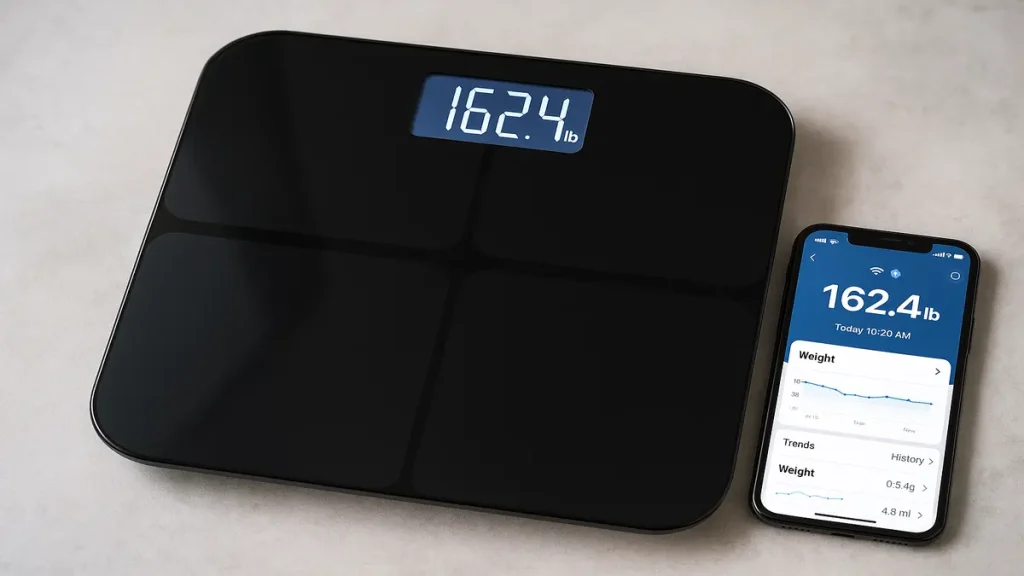
Medical-grade weight scales designed for healthcare applications meet stringent accuracy standards required by hospitals, clinics, and medical practices, featuring professional certifications, enhanced durability, and specialized software integration that supports electronic health record systems and patient monitoring protocols. These scales typically offer accuracy within 0.1 pounds across their entire weight range, antimicrobial surface coatings that prevent infection transmission, and wheelchair accessibility features including ramps, handrails, and platform designs that accommodate patients with mobility limitations. Healthcare providers utilize these scales for critical applications, including medication dosing calculations, dialysis monitoring, cardiac care management, and bariatric surgery follow-up,p where precise weight measurement directly impacts treatment decisions and patient safety outcomes.
Bariatric weight scales serve individuals requiring higher weight capacity limits, typically supporting 500-800 pounds with reinforced platform construction, extra-wide stepping surfaces, and enhanced stability features that ensure safe and comfortable use for larger individuals. These specialized scales address the unique needs of bariatric patients and individuals in weight management programs by providing accurate measurements without weight limits that exclude users from regular bathroom scale ranges. The bariatric scale market has expanded significantly with improved designs that reduce stigma through attractive aesthetics, discreet sizing, and features that promote regular monitoring as part of comprehensive weight management and health improvement programs supported by medical professionals.
Weight Scale Accuracy and Calibration Standards
Professional calibration procedures for digital bathroom scales involve systematic testing using certified reference weights that verify measurement accuracy across the entire weight range, ensuring compliance with medical device standards and maintaining precision that supports reliable health monitoring applications. Calibration frequency recommendations vary by usage intensity and application requirements, with home scales benefiting from monthly verification using known weights, while medical and commercial applications require weekly or daily calibration protocols that meet regulatory compliance standards. Advanced scales feature automatic calibration systems that perform self-checks during startup sequences, comparing internal reference measurements with stored calibration data to detect drift or sensor degradation that could compromise measurement accuracy.
Environmental factors significantly impact weight scale performance, including temperature fluctuations, humidity levels, electromagnetic interference, and vibration exposure that can cause measurement inconsistencies and long-term accuracy degradation, requiring mitigation strategies and optimal placement considerations. Temperature compensation technology in premium scales automatically adjusts measurements for ambient temperature variations that affect electronic components and mechanical sensors, while humidity resistance prevents moisture infiltration that can damage sensitive circuits and cause corrosion of metal components. Professional installation guidelines emphasize stable surface placement away from heat sources, air conditioning vents, and high-traffic areas where vibrations or temperature changes could compromise measurement reliability and device longevity.
Quality assurance standards in weight scale manufacturing include rigorous testing protocols that verify accuracy, durability, safety, and electromagnetic compatibility before products reach consumer markets, with leading manufacturers implementing ISO certification processes and FDA compliance procedures for medical applications. Consumer protection regulations require clear accuracy specifications, warranty coverage, and safety certifications that ensure products meet advertised performance claims while providing recourse for defective units or measurement inconsistencies that develop during normal use. Third-party testing laboratories conduct independent verification of manufacturer claims, while consumer review platforms provide real-world performance feedback that helps potential buyers evaluate accuracy, reliability, and long-term satisfaction with specific scale models and brands.
Digital Scale Technology Evolution and Market Trends
The transformation from mechanical to digital weight scales represents one of the most significant advances in personal health monitoring technology, replacing spring-based mechanisms with electronic load cells and digital displays that provide superior accuracy, consistency, and additional measurement capabilities beyond simple weight determination. Early digital scales focused primarily on improving measurement precision and display readability, while modern smart scales have evolved into comprehensive health monitoring platforms that integrate multiple sensors, wireless connectivity, and sophisticated software analytics that provide detailed insights into body composition, health trends, and personalized recommendations for wellness improvement.
Market research indicates steady growth in the smart weight scale segment driven by increasing health consciousness, aging populations requiring regular health monitoring, and integration with popular fitness tracking ecosystems that simplify data collection and analysis for health-focused consumers. Consumer preferences have shifted toward scales offering multiple measurement parameters, smartphone connectivity, and family-friendly features that support household health monitoring needs while maintaining individual privacy and personalized tracking capabilities. The convergence of weight scale technology with broader digital health trends, including telemedicine, wearable devices, and AI-powered health analytics, positions smart scales as essential components of modern preventive healthcare strategies.
Emerging market opportunities include specialized applications for elderly care facilities, corporate wellness programs, and remote patient monitoring systems that leverage connected scale technology to support healthcare delivery efficiency and improve patient outcomes through consistent data collection and automated health alerts. International market expansion reflects growing global awareness of obesity-related health risks and the importance of regular weight monitoring in preventing chronic diseases, including diabetes, cardiovascular conditions, and metabolic disorders that benefit from early detection and intervention strategies. The weight scale industry continues innovating with new sensor technologies, enhanced connectivity options, and expanded health monitoring capabilities that position these devices as central elements in the evolving landscape of personal health technology and preventive medical care.
Consumer Reviews and Brand Comparisons for Weight Scales
Customer satisfaction surveys consistently rank CVS Health Digital Body Scales among the top-performing bathroom scales available at major retail locations, with users praising the combination of measurement accuracy, build quality, and value pricing that makes professional-grade weighing accessible to general consumers. Independent product testing conducted by consumer advocacy organizations validates manufacturer accuracy claims while identifying the most reliable brands for long-term use, with CVS Health, Withings, Fitbit Aria, and EatSmart models receiving the highest ratings for consistent performance and customer support quality. User reviews emphasize the importance of platform stability, display readability, and battery life in determining overall satisfaction, while smart scale users particularly value seamless app connectivity and comprehensive health data integration that enhances their fitness tracking routines.
Brand reputation analysis reveals significant differences in warranty coverage, customer service responsiveness, and product reliability between manufacturers, with established health technology companies generally providing superior support compared to generic or private-label alternatives available through discount retailers. Premium brands including Withings, Fitbit, and Garmin offer extended warranty periods, replacement part availability, and software update commitments that protect consumer investments while ensuring long-term device functionality and compatibility with evolving smartphone platforms. Consumer protection considerations include understanding return policies, warranty limitations, and technical support availability before purchasing, particularly for smart scales requiring ongoing software updates and cloud service connectivity for full functionality.
Comparative testing methodologies used by professional review organizations involve systematic accuracy verification using certified reference weights, durability assessments through extended use simulations, and feature evaluation across diverse user scenarios that reflect real-world applications and usage patterns. Price-performance analysis considers the total cost of ownership, including battery replacement, software subscription fees, and potential repair costs that may not be apparent during initial purchase decisions but significantly impact long-term value and user satisfaction. Expert recommendations consistently favor scales offering proven accuracy, robust construction, comprehensive warranty coverage, and established brand reputation over lower-priced alternatives that may compromise quality or reliability to achieve competitive pricing.
Weight Management Integration and Health Apps
Seamless integration between smart weight scales and popular health applications creates comprehensive wellness ecosystems that automate data collection, trend analysis, and progress tracking while eliminating manual logging requirements that often lead to inconsistent monitoring and reduced user engagement. Leading health apps, including MyFitnessPal, Lose It!, Weight Watchers, and Noom, support automatic weight data import from connected scales, enabling users to maintain detailed food diaries, exercise logs, and weight progression records within unified platforms that provide holistic views of health and fitness activities. This integration proves particularly valuable for individuals participating in structured weight loss programs, medical weight management protocols, or fitness coaching relationships where consistent data sharing supports accountability and professional guidance.
Advanced analytics capabilities within health app ecosystems utilize weight scale data to generate personalized insights, goal recommendations, and behavioral modifications that support long-term wellness success through evidence-based interventions and adaptive program adjustments. Machine learning algorithms analyze weight fluctuation patterns alongside activity data, sleep metrics, and nutritional intake to identify correlations and trends that inform more effective weight management strategies and lifestyle modifications. The combination of consistent weight monitoring through smart scales and comprehensive health app integration creates powerful feedback loops that enhance motivation, improve adherence to health programs, and support sustainable behavior changes that promote long-term wellness outcomes.
Healthcare provider integration represents an emerging application for connected weight scales, enabling remote patient monitoring, telehealth support, and clinical decision-making based on real-time weight data transmitted directly from patients’ homes to medical facilities and electronic health record systems. This capability proves particularly valuable for managing chronic conditions, including heart failure, kidney disease, and diabetes, where weight changes provide critical indicators of treatment effectiveness and potential complications requiring immediate medical intervention. The evolution toward integrated healthcare technology positions smart weight scales as essential tools for preventive medicine, chronic disease management, and population health initiatives that improve patient outcomes while reducing healthcare costs through early detection and intervention strategies.
Troubleshooting Common Weight Scale Issues
Digital bathroom scale troubleshooting begins with systematic evaluation of common issues, including inconsistent readings, display problems, connectivity failures, and calibration drift that can often be resolved through proper maintenance procedures and environmental adjustments rather than device replacement. Inconsistent weight measurements typically result from unstable surface placement, low battery power, or calibration drift that requires recalibration using known reference weights or automatic calibration functions available in advanced models. Users experiencing measurement variations should verify scale placement on hard, level surfaces away from vibrations, replace batteries when low-power indicators appear, and perform calibration procedures according to manufacturer instructions to restore measurement accuracy.
Smart scale connectivity issues frequently involve Wi-Fi network problems, smartphone app compatibility, or Bluetooth pairing failures that prevent data synchronization and reduce the functionality of connected health monitoring systems. Troubleshooting wireless connectivity requires verifying network passwords, updating smartphone apps to current versions, clearing app cache data, and resetting scale network settings when persistent connection problems occur. Many connectivity issues resolve through simple device restarts, app reinstallation, or network password re-entry, while persistent problems may require manufacturer technical support or firmware updates that address compatibility issues with newer smartphone operating systems.
Professional repair services for weight scales remain limited due to the relatively low cost of replacement compared to repair expenses, making device replacement the preferred solution for mechanical failures, sensor damage, or electronic component failures that cannot be resolved through basic troubleshooting procedures. Warranty coverage typically addresses manufacturing defects and premature failures but excludes damage from drops, water exposure, or normal wear that occurs over extended use periods. Preventive maintenance, including regular cleaning, proper storage, and careful handling, significantly extends device lifespan while reducing the likelihood of premature failures that require costly replacement or repair services that may exceed the value of newer, more advanced models.
Weight Scales Near Me FAQ
1. Where Can I Buy Weight Scales Near Me?
You can purchase weight scales at major retail chains like Walmart, Target, Best Buy, and Bed Bath & Beyond. Pharmacies such as CVS and Walgreens also carry a selection of bathroom and health scales. For more variety, try department stores or local fitness equipment shops. Using “Weight Scales Near Me” in Google Maps or Apple Maps will also give you nearby options with store hours and directions.
2. Are Weight Scales Available at Pharmacies or Grocery Stores?
Yes, many pharmacies, including CVS, Walgreens, and Rite Aid, stock basic weight scales. Some grocery stores with general merchandise sections, such as Meijer or Kroger, may also carry digital or analog models. While selection is usually limited compared to specialized stores, it’s a convenient option for quick or last-minute purchases.
3. Can I Test a Weight Scale Before Buying In-Store?
In most big-box stores and pharmacies, scales are displayed in sealed packaging and cannot be tested in-store. However, some specialty health or fitness retailers may allow you to try demo models. If testing before purchase is important, call ahead or consider stores with easy return policies, so you can try the scale at home risk-free.
4. What Types of Weight Scales Are Sold Near Me?
Local stores often carry a variety of models, including:
Digital bathroom scales with backlit displays
Smart scales with Bluetooth/Wi-Fi connectivity that sync with apps
Analog/mechanical scales for basic readings without batteries
Body composition scales that measure fat percentage, muscle mass, and more
Check the product description to make sure it matches your health goals and technology preferences.
5. Do Local Stores Offer Price Matching on Weight Scales?
Yes, many retailers like Walmart, Target, and Best Buy offer price matching if you find the same model cheaper online or at a competitor. Bring proof (such as a current ad or website listing), and check the store’s price match policy. This way, you can shop locally and still enjoy the best deal.