7-Day Weight Loss Meal Plan: Science-Backed Approach for Sustainable Results
7-Day Weight Loss Meal Plan That Works: Realistic & Delicious Weight Loss Strategy
Looking to shed those extra pounds with a realistic approach that actually works? Our comprehensive 7-day weight loss meal plan combines evidence-based nutrition principles with delicious, satisfying recipes to help you achieve sustainable results without feeling deprived.
Why Most Weight Loss Plans Fail (And Why This One Won’t)
Many diets promise quick results but leave you hungry, irritable, and ultimately right back where you started. This 7-day plan is different because it’s built on four fundamental principles:
- Sustainable calorie deficit – Creating a moderate energy deficit your body can adapt to
- Balanced macronutrients – Optimizing protein, carbs, and fats for satiety and metabolic health
- Nutrient density – Prioritizing foods that deliver maximum nutrition per calorie
- Practical implementation – Real-world strategies that fit into your busy lifestyle
Let’s explore how you can transform your relationship with food while achieving your weight loss goals.
The Science Behind Effective Weight Loss
Understanding Your Body’s Energy Balance
Weight management fundamentally comes down to energy balance—the relationship between calories consumed and calories expended. To lose weight, you need to create a calorie deficit by consuming fewer calories than your body burns.
Research shows that a moderate deficit of 500-750 calories per day leads to sustainable fat loss of about 1-1.5 pounds per week without triggering the metabolic adaptations that often sabotage more extreme approaches.
The Crucial Role of Macronutrients
Not all calories are created equal when it comes to weight loss. Here’s how each macronutrient supports your journey:
- Protein (25-30% of calories): Research published in the American Journal of Clinical Nutrition shows higher protein intake preserves lean muscle mass during weight loss, increases satiety, and requires more energy to digest.
- Complex Carbohydrates (40-45% of calories): Fiber-rich carbs from whole food sources provide sustained energy and promote gut health, which emerging research links to weight management.
- Healthy Fats (25-30% of calories): Essential for hormone production and nutrient absorption, quality fats help you feel satisfied while supporting overall health.
This balanced approach ensures you’re not just losing weight but optimizing your body composition and metabolic health.
Your Complete 7-Day Weight Loss Meal Plan
Each day of this meal plan provides approximately 1,500-1,700 calories—an appropriate range for most women and smaller men seeking moderate weight loss. Active individuals and larger men may need to increase portions while maintaining the same nutritional balance.
Day 1: Metabolism Kickstart
Breakfast (350 calories)
- Protein-packed Greek yogurt parfait with berries, chia seeds, and a drizzle of honey
- Green tea (unsweetened)
Lunch (450 calories)
- Mediterranean quinoa bowl with grilled chicken, cucumber, cherry tomatoes, kalamata olives, and lemon-herb dressing
- 1 medium apple
Snack (150 calories)
- ¼ cup raw almonds
- 1 cup cucumber slices
Dinner (550 calories)
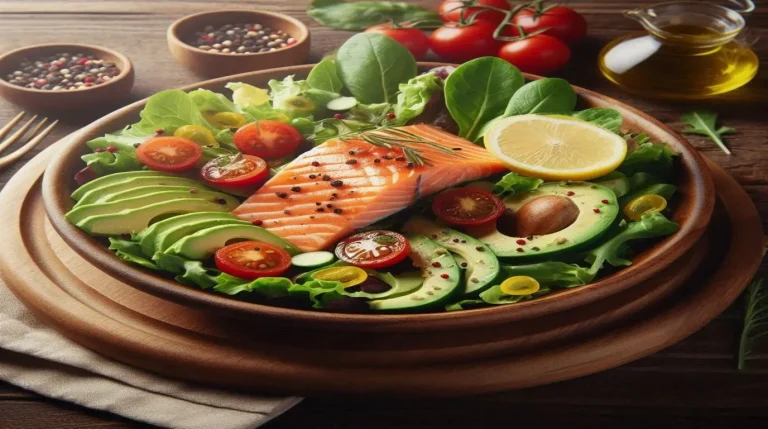
- Baked wild salmon with lemon and dill
- Roasted Brussels sprouts with a touch of olive oil and garlic
- ½ cup sweet potato with a sprinkle of cinnamon
Evening (optional) (100 calories)
- Herbal tea with a small square of dark chocolate (70%+ cacao)
Day 2: Anti-Inflammatory Focus
Breakfast (375 calories)
- Vegetable omelet (2 eggs + egg whites) with spinach, bell peppers, and a sprinkle of turmeric
- 1 slice Ezekiel toast with ¼ avocado
- Black coffee or herbal tea
Lunch (425 calories)
- Hearty lentil soup with mixed vegetables
- Mixed greens side salad with olive oil and balsamic vinegar
- 1 small pear
Snack (150 calories)
- Celery sticks with 2 tablespoons of all-natural almond butter
Dinner (550 calories)
- Herb-roasted chicken breast (5 oz)
- Cauliflower “rice” with peas and carrots
- Sautéed kale with garlic and red pepper flakes
Evening (optional) (100 calories)
- 1 cup warm almond milk with cinnamon and nutmeg
Day 3: Digestion Optimization
Breakfast (350 calories)
- Green smoothie: spinach, banana, protein powder, flaxseed, and unsweetened almond milk
- 1 hard-boiled egg
Lunch (450 calories)
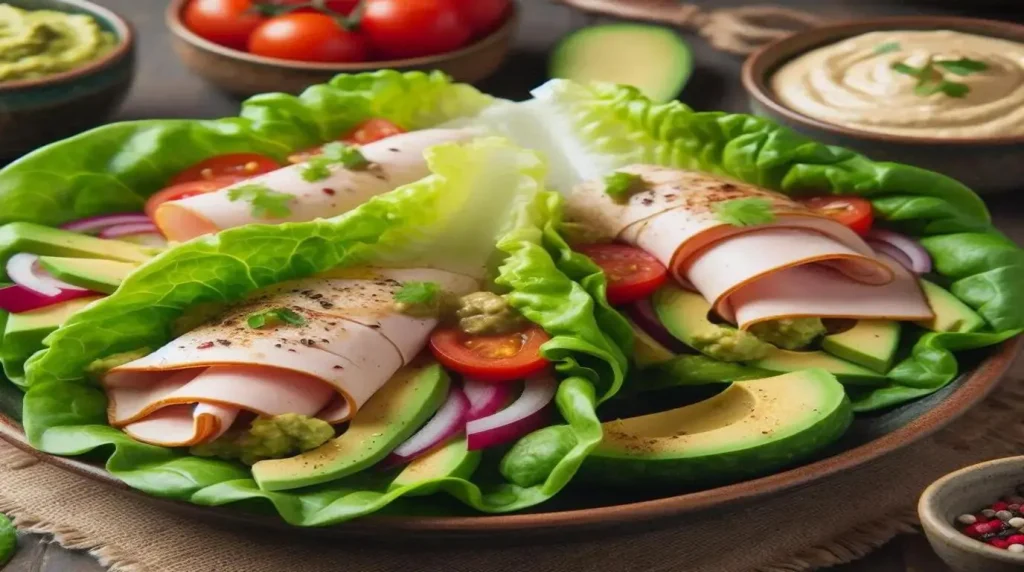
- Turkey and avocado lettuce wraps with hummus
- 1 cup homemade vegetable soup
- 1 small orange
Snack (150 calories)
- Greek yogurt (plain, low-fat) with cinnamon and berries
Dinner (500 calories)
- Zucchini noodles with grass-fed beef bolognese sauce
- Side salad with olive oil and lemon dressing
Evening (optional) (100 calories)
- Chamomile tea with 1 tablespoon of raw honey
Day 4: Energy Enhancement
Breakfast (375 calories)
- Overnight oats with unsweetened almond milk, cinnamon, vanilla extract, and chopped apple
- 1 tablespoon almond butter stirred in
Lunch (425 calories)
- Power bowl: quinoa, black beans, roasted sweet potato, avocado, and lime-cilantro dressing
- 1 kiwi fruit
Snack (175 calories)
- Homemade energy balls (dates, nuts, cacao, and coconut)
Dinner (525 calories)
- Grilled white fish with lemon and herbs
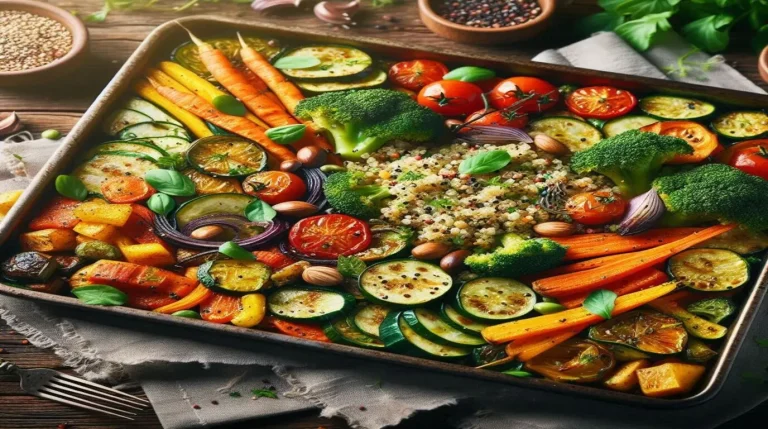
- Roasted rainbow vegetables (bell peppers, zucchini, carrots)
- ½ cup brown rice
Evening (optional) (100 calories)
- Decaffeinated green tea with mint and 2 dried apricots
Day 5: Lean Protein Focus
Breakfast (350 calories)
- Protein smoothie: whey or plant protein, berries, spinach, almond milk, and ice
- 1 piece whole fruit
Lunch (450 calories)
- Grilled chicken salad with mixed greens, cherry tomatoes, cucumber, carrots, and light vinaigrette
- 1 small whole-grain roll
Snack (150 calories)
- Turkey roll-ups with bell pepper strips and mustard
Dinner (550 calories)
- Grass-fed lean steak (4 oz)
- Steamed broccoli with lemon
- Baked sweet potato with a touch of cinnamon and coconut oil
Evening (optional) (100 calories)
- 1 cup unsweetened kefir with cinnamon
Day 6: Fiber Maximizer
Breakfast (375 calories)
- Vegetable frittata muffins (make ahead with eggs, spinach, onion, and mushrooms)
- ½ grapefruit
Lunch (425 calories)
- Bean and vegetable soup
- Side salad with pumpkin seeds and light dressing
- 1 apple
Snack (150 calories)
- Edamame pods with sea salt
Dinner (525 calories)
- Baked cod with herbs and lemon
- Quinoa pilaf with chopped vegetables
- Roasted asparagus with garlic
Evening (optional) (100 calories)
- Turmeric golden milk (unsweetened almond milk with turmeric, cinnamon, ginger, and a touch of honey)
Day 7: Metabolism Booster
Breakfast (350 calories)
- Sweet potato and egg hash with onions and bell peppers
- Fresh berries
Lunch (450 calories)
- Salmon salad (canned wild salmon) on a bed of mixed greens with olive oil and lemon dressing
- 1 small apple
Snack (150 calories)
- Plain Greek yogurt with cinnamon and a sprinkle of walnuts
Dinner (550 calories)
- Turkey meatballs with zucchini noodles and tomato sauce
- Side salad with olive oil and balsamic vinegar
Evening (optional) (100 calories)
- Herbal tea with 1 small square dark chocolate
Meal Prep Mastery: The Key to Success
Research shows that meal preparation significantly increases dietary quality and variety while reducing the likelihood of eating out—all factors associated with successful weight management.
Strategic Batch Cooking
Dedicate 2-3 hours each weekend to prepare core components:
- Protein Base: Grill chicken breasts, bake fish, prepare hardboiled eggs, or cook a pot of lentils
- Complex Carbs: Make batches of quinoa, brown rice, or roasted sweet potatoes
- Vegetables: Roast or steam large portions of mixed vegetables
- Healthy Fats: Prepare homemade dressings and portion nuts/seeds into grab-and-go containers
Equipment Essentials
The right tools make meal prep efficient:
- Quality storage containers: Glass containers with secure lids prevent leaks and keep food fresh
- Sheet pans: Perfect for roasting multiple vegetables simultaneously
- Slow cooker or Instant Pot: Prepare proteins while you handle other tasks
- Blender: Essential for smoothies and homemade dressings
- Mason jars: Ideal for overnight oats and salads
Time-Saving Strategies
- Theme-based cooking: Prepare variations of one base dish (e.g., different flavors of chicken and vegetables)
- Strategic repurposing: Tonight’s roasted chicken becomes tomorrow’s chicken salad
- Assembly line approach: Prepare components separately, then mix and match throughout the week
With these strategies, you’ll transform a single prep session into a week of nutritious, portion-controlled meals that support your weight loss goals.
Fat-Burning Superfoods to Accelerate Results
While no food literally “burns fat,” certain nutrient-dense foods can amplify your weight loss efforts by:
- Increasing satiety
- Supporting metabolic function
- Providing essential nutrients with minimal calories
- Stabilizing blood sugar
Lean Proteins
Protein has the highest thermic effect among macronutrients, meaning your body burns more calories digesting it than carbohydrates or fats. High-quality options include:
- Wild-caught fish: Rich in omega-3 fatty acids that improve insulin sensitivity
- Pasture-raised eggs: Complete protein with choline for fat metabolism
- Grass-fed beef: Contains conjugated linoleic acid (CLA), linked to reduced body fat
- Legumes: Plant-based protein with fiber for prolonged fullness
Fiber-Rich Powerhouses
Fiber slows digestion, stabilizes blood sugar, and supports a healthy gut microbiome—all crucial for weight management:
- Leafy greens: Nutrient-dense with minimal calories (kale, spinach, swiss chard)
- Cruciferous vegetables: Contain compounds that support detoxification (broccoli, cauliflower, Brussels sprouts)
- Berries: Packed with antioxidants and fiber with a low glycemic impact
- Chia and flax seeds: Provide soluble fiber that expands in your stomach
Metabolism-Supporting Spices
Several spices can enhance your metabolic rate and improve nutrient absorption:
- Turmeric: Contains curcumin, which may increase fat oxidation
- Cayenne pepper: Contains capsaicin that temporarily boosts metabolism
- Ginger: Improves digestion and reduces inflammation
- Cinnamon: Helps stabilize blood sugar levels
By strategically incorporating these foods into your 7-day meal plan, you’ll maximize nutritional value while minimizing calories—the perfect recipe for sustainable weight loss.
Beyond Food: Supporting Healthy Habits
Successful weight management extends beyond your meal plan. Research consistently shows that sustainable results come from a comprehensive approach:
Hydration Strategy
Proper hydration supports metabolism and reduces false hunger cues. Aim for:
- 8-10 cups of water daily
- Starting each morning with 16oz of water
- Drinking a full glass 30 minutes before meals
- Using herbal teas as calorie-free flavor options
Movement Guidelines
Exercise complements your nutrition strategy by:
- Increasing calorie expenditure
- Building metabolically active muscle tissue
- Improving insulin sensitivity
- Enhancing mood and reducing stress eating
Incorporate:
- Strength training: 2-3 sessions weekly (30-45 minutes)
- Cardiovascular exercise: 150+ minutes weekly of moderate activity
- Daily movement: 7,000-10,000 Steps
- Active recovery: Yoga or stretching on rest days
Sleep Optimization
Research shows that inadequate sleep disrupts hunger hormones and increases cravings. Prioritize:
- 7-9 hours of quality sleep nightly
- Consistent sleep/wake schedule
- Screen-free time 1 hour before bed
- Cool, dark sleeping environment
Stress Management
Chronic stress increases cortisol, which promotes fat storage, especially around the midsection. Practice:
- Daily mindfulness or meditation (even 5-10 minutes)
- Breathing exercises during high-stress moments
- Regular time in nature
- Social connection with supportive people
Frequently Asked Questions
How much weight can I expect to lose on this 7-day plan?
While individual results vary based on starting weight, metabolism, and adherence, a healthy expectation is 1-2 pounds per week. Remember that sustainable weight loss prioritizes fat loss while preserving lean muscle mass, rather than dramatic scale changes that often indicate water weight or muscle loss.
Can I customize this plan for dietary restrictions?
Absolutely! This plan can be adapted for various dietary needs:
- Vegetarian/Vegan: Replace animal proteins with plant-based options like tempeh, tofu, legumes, and seitan
- Gluten-Free: Substitute gluten-containing grains with quinoa, rice, and gluten-free oats
- Dairy-Free: Use plant-based yogurts and milk alternatives
What if I’m still hungry following these portions?
Focus first on increasing non-starchy vegetables, which add volume and nutrients with minimal calories. If true hunger persists, evaluate your activity level—more active individuals may need additional calories, particularly from protein and complex carbohydrates.
Should I count calories while following this plan?
This plan is designed with appropriate calorie ranges in mind, so strict counting isn’t necessary. However, portion awareness remains important, especially for calorie-dense foods like oils, nuts, and avocados.
Can I continue this plan beyond 7 days?
Yes! The nutritional principles are designed for sustainable implementation. After the initial week, you might introduce more variety while maintaining the same macronutrient balance and calorie parameters. Many successful followers cycle through variations of these daily menus for continued results.
What about cheat meals or treat days?
Rather than “cheat meals” that reinforce an all-or-nothing mindset, consider building planned flexibility into your approach. The 80/20 principle works well—follow your structured plan 80% of the time while allowing reasonable indulgences for the remaining 20%.
Your Path to Sustainable Weight Loss Success
This 7-day weight loss meal plan offers more than just short-term results—it provides the foundation for a sustainable, health-focused approach to eating that can transform your relationship with food.
By understanding the science behind weight management, mastering meal preparation, incorporating nutrient-dense foods, and supporting your efforts with complementary lifestyle habits, you’re setting yourself up for long-term success.
Remember that consistency matters more than perfection. Small, sustainable changes compound over time to create meaningful transformation in both your body composition and overall wellbeing.
Ready to take the first step toward a slimmer, healthier you? Start with Day 1 of this science-backed meal plan and discover how satisfying and effective evidence-based nutrition can be.